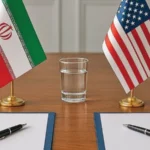
New York, USA – Global markets experienced sharp shifts on Monday, with gold prices surging more than 2% following the announcement of an agreement to end the conflict between the United States and Iran. This development helped to ease global concerns about inflation and interest rates. Consequently, it led to a sharp decline in oil prices and a weakening of the dollar.
Gold surge and precious metals rebound
Gold rose 2.5% in spot trading to $4,322.87 an ounce by 03:12 GMT, its highest level since June 9. U.S. gold futures for August delivery also climbed 2.5% to $4,344.80. The gains weren’t limited to gold, as silver jumped 3.6% to $70.39 an ounce. Platinum rose 3.3% to $1,773.70, and palladium gained 3.3% to $1,324.75.
The implications of the agreement on energy and currency
This surge comes after US President Donald Trump announced on Sunday evening that a peace agreement had been reached with Iran, which includes lifting the naval blockade on Iranian ports and reopening the Strait of Hormuz. The agreement is scheduled to be officially signed next Friday in Switzerland, according to Pakistani Prime Minister Shehbaz Sharif.
On the other hand, oil prices fell by more than 4%, and the dollar dropped to its lowest level in 10 days. Tim Waterer, chief market analyst at KCM Trade, explained that the decline in oil prices and the weakening dollar, driven by reduced geopolitical risks, are helping to temper inflation expectations. He added that this combination is providing the precious metal with its best support in recent weeks.
Change in interest rate expectations
The war caused a sharp rise in energy prices, reinforcing expectations that interest rates would remain high for longer. However, with the new agreement, the FedWatch tool indicates that the probability of the Federal Reserve raising interest rates by next December has fallen to 48%, down from 69% last week. While gold remains a traditional hedge against inflation, the easing of concerns surrounding interest rates enhances its investment appeal. This is contingent, however, on the agreement holding.