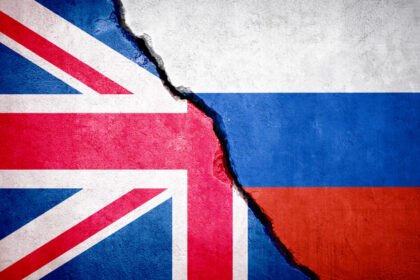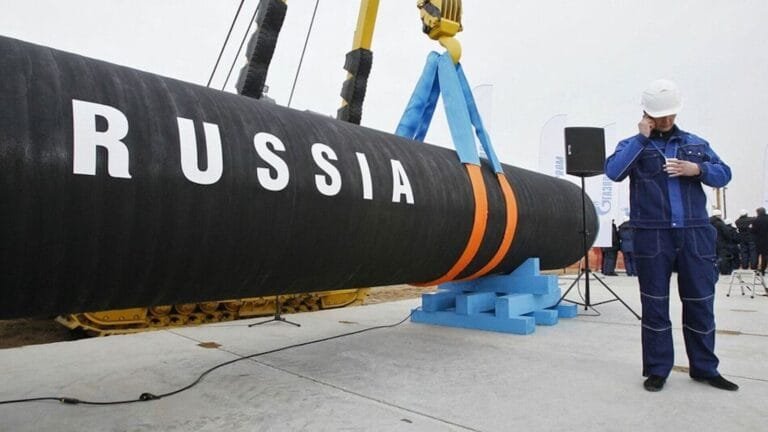
London, UK – Recent reports indicate that the UK will continue importing refined fuels indirectly derived from Russian oil until early 2027, despite sanctions and measures imposed by Western countries on Moscow since the outbreak of the war in Ukraine.
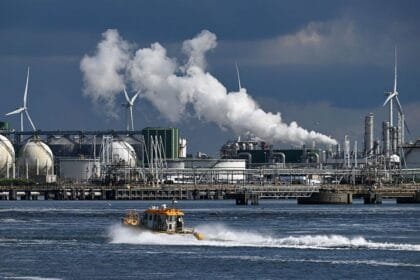
The reports explain that some Russian oil is exported to third countries for refining into various petroleum products. These products then legally find their way into European and British markets. This poses challenges to efforts aimed at reducing dependence on Russian energy sources.
Energy experts point out that the complexity of global supply chains and the difficulty of tracing the origin of some petroleum products after refining and processing represent a major obstacle to the full implementation of sanctions, especially given the ongoing need to ensure stable fuel supplies for domestic markets.
For its part, the British government affirms its commitment to reducing dependence on Russian energy and strengthening alternative supply sources. It also noted that it has taken a series of measures in recent years to diversify its energy imports and stated that it has worked to increase cooperation with international partners in this area.
Analysts believe that the continued flow of some products linked to Russian oil reflects the complex nature of the global energy market. Production, refining, and trade are intertwined across multiple countries, making a complete decoupling of energy sources a process that will require time and additional investment in infrastructure and alternative supply chains.
This issue also sparks renewed debate within British political and economic circles regarding the effectiveness of current sanctions and the mechanisms for monitoring their implementation. This comes amidst calls for stricter tracking and monitoring procedures for fuel imports to ensure their alignment with the stated objectives of British foreign policy.
Specialized institutions anticipate that the debate surrounding this issue will continue in the coming period, particularly as European countries strive to balance energy security requirements with maintaining economic pressure on Russia. This occurs against the backdrop of ongoing challenges facing global oil and gas markets.