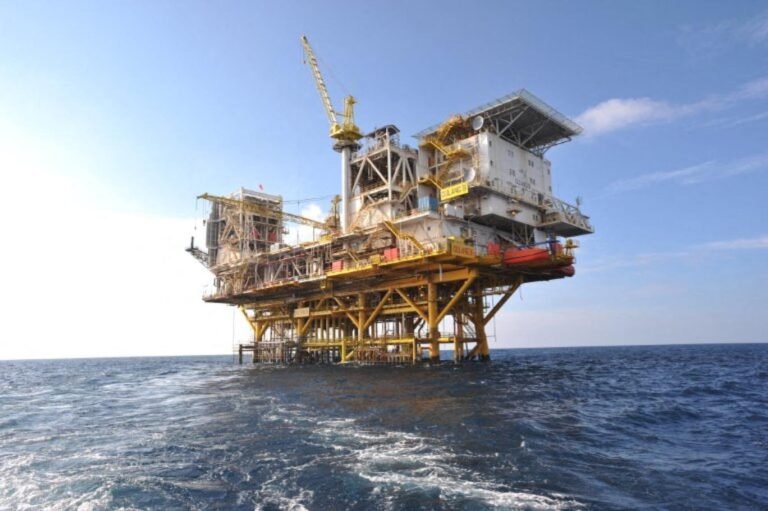
Kuala Lumpur, Malaysia – In a strategic move to secure its growing electricity needs, Malaysia has decided to expand its exploitation of offshore gas reserves to meet record energy demand. This demand has reached unprecedented levels due to a severe heat wave and the rapid expansion of digital data centers. This approach puts Malaysia on a different path from many other Asian countries that, amid global geopolitical turmoil and rising energy costs, have been forced to increase their reliance on coal to compensate for the shortfall in liquefied natural gas (LNG) supplies. This comes particularly in light of the repercussions of the US-Israeli war on Iran, which has impacted the stability of energy markets.
A surge in demand and increased reliance on gas
Data released by Malaysia’s national grid operator reveals a significant surge in electricity demand in Peninsular Malaysia—the heart of the Malaysian economy, accounting for nearly 80% of the country’s total demand. Demand jumped by 11.5% year-on-year in April. To address this shortfall in generating capacity and prevent power outages, the country has primarily relied on increasing generation rates at gas-fired power plants. These plants recorded a remarkable 50.5% increase in generated power compared to the same period last year.
Coal vs. Gas Challenge
This policy comes at a time when most Asian countries are under intense pressure to return to burning coal as a cheaper and more readily available source of electricity, despite their climate commitments. This is due to significant fluctuations in liquefied natural gas (LNG) prices and declining global supplies.
In contrast, Malaysia has successfully fortified its energy sector by relying on its domestic gas resources. This has enabled it to maintain its economic development pace and power its massive data centers without slipping into higher levels of harmful coal emissions.
Analysts believe this Malaysian move reflects a high degree of flexibility in managing national energy resources. While global energy demand remains volatile, Malaysia continues to balance the difficult equation of ensuring national energy security, reducing its carbon footprint by decreasing its reliance on coal, and managing record-breaking heat stresses that consume enormous amounts of electricity for cooling. This policy is expected to continue in the near term as a sustainable solution, given the ongoing regional instability that threatens the stability of global fossil fuel markets. This further strengthens Malaysia’s position as a regional model for relying on domestic resources to overcome international energy crises.