Tokyo, Japan – In a move aimed at easing the economic burden on its citizens, the Japanese government announced on Tuesday its approval of a $3 billion financial aid package. This package is intended to help households pay their electricity and gas bills.
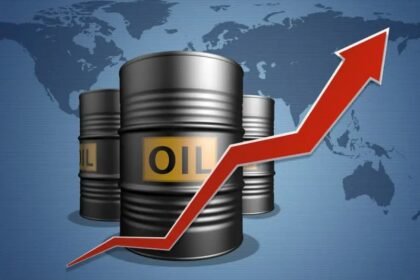
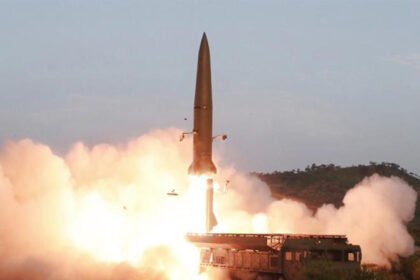
This decision comes amid a sharp rise in utility costs due to geopolitical tensions stemming from the war in the Middle East. These tensions have directly impacted global energy markets.
Japan’s reliance on Middle Eastern imports
Japan is among the Asian economies most vulnerable to energy price volatility, given its heavy and ongoing reliance on fuel imported from the Middle East. Potential threats to shipping have prompted the Japanese government to take proactive steps to protect its domestic economy and provide a social safety net for its citizens. Furthermore, concerns about the impact of a potential blockade of the Strait of Hormuz on oil and gas supplies and prices have intensified, particularly as these concerns persist.
Details of the government support plan
In this context, Deputy Chief Cabinet Secretary Masanao Ozaki explained the details of the decision to reporters. He confirmed that the Cabinet had approved spending the equivalent of 513.5 billion yen to subsidize electricity and gas bills for consumers. He also indicated that the subsidies would continue for a period of three months, starting in July and ending in September.
A comprehensive strategy to combat inflation
This direct support comes as part of a broader series of government measures; the decision came just one day after Prime Minister Sana Takaichi announced an ambitious plan for a massive supplementary budget of up to $19 billion. This comprehensive plan aims to address the impact of rising prices for everyday goods and ensure the stability of people’s livelihoods in the face of inflationary pressures resulting from disruptions in global supply chains.
Protecting purchasing power amid international tensions
These measures underscore Tokyo’s commitment to mitigating the negative repercussions of regional conflicts far beyond its borders. Experience has shown that these conflicts not only impact foreign policy but also directly affect the livelihoods of Japanese citizens domestically. While the Japanese government continues to monitor developments in the Middle East, these allocated budgets indicate the country’s preparedness for challenging economic scenarios. Simultaneously, there is a clear emphasis on prioritizing the purchasing power of Japanese households amidst a volatile international environment. Furthermore, efforts are underway to ensure the continuity of energy supplies and maintain stability in the domestic market.