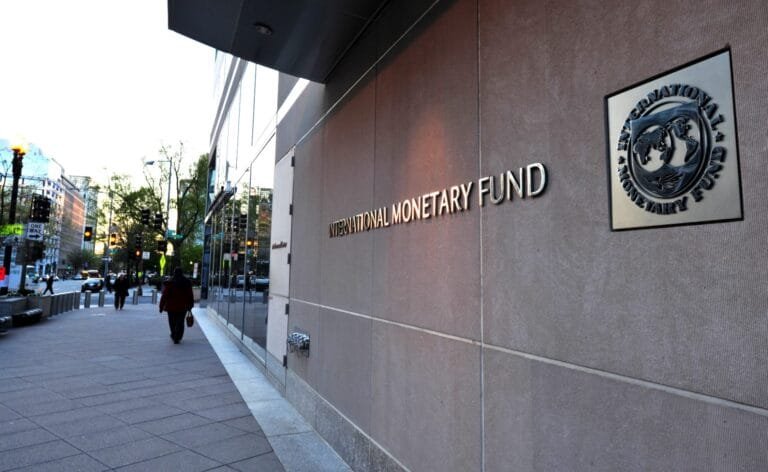
Washington, DC – The International Monetary Fund (IMF) announced that it is continuing intensive consultations to explore the possibility of providing emergency financial support to member countries affected by the severe economic repercussions of the ongoing conflict in the Middle East. This support is particularly focused on countries facing sharp increases in energy and commodity prices. The IMF also reaffirmed its commitment to safeguarding global financial stability in the face of current shocks.
Kozak: We are discussing aid and are committed to confidentiality regarding Iraq.
Reuters quoted IMF spokeswoman Julie Kozak as confirming during a press conference in Washington that the administration continues to discuss potential financial assistance mechanisms for countries whose budgets are strained by rising energy and food import costs. However, Kozak declined to elaborate on specific financing programs for individual countries. She also categorically refused to comment on or confirm recent media reports that the Iraqi government had submitted a formal request for emergency financial support.
Increased demand for economic advice to cope with shocks
The IMF spokesperson explained that a growing number of member countries have already turned to the Fund for support, not only financial but also in the area of economic policies and strategic technical advice on how to respond flexibly to successive external shocks. This is all done in accordance with the specific circumstances and economic structure of each country.
Billions of dollars to rescue fragile economies
Newspaper and economic reports indicated that Iraq had requested urgent assistance due to the increasing pressures of the regional conflict. This comes at a critical juncture for the global economy.
These reports coincided with earlier statements by the Managing Director of the International Monetary Fund, Kristalina Georgieva, who revealed that approximately 12 countries in the region and beyond may require substantial financial support packages totaling between $20 billion and $50 billion. This support aims to address escalating fiscal deficits and secure essential supply chains for their citizens.