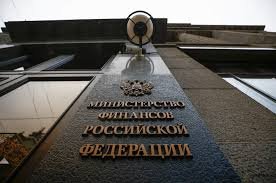
Moscow, Russia – The Russian Finance Ministry announced on Wednesday, May 6, 2026, its intention to begin purchasing foreign currency on the open market next month. This move marks the first of its kind since before the outbreak of the war in Ukraine.
This strategic economic shift comes as a result of the unexpected surge in oil revenues. This surge stemmed from the sharp rise in global crude oil prices due to the repercussions of the US-Israeli war on Iran.
Billions were injected into the national wealth fund.
According to an official statement from the Ministry of Finance, Russia plans to purchase foreign currency worth a total of 110.3 billion rubles (approximately $1.46 billion USD) between May 8 and June 4, 2026.
The Russian Ministry of Finance clarified that these purchases will be directed to the National Wealth Fund. It is worth noting that this fund is the primary sovereign instrument for stabilizing the state budget in the face of economic fluctuations.
The Chinese yuan takes center stage.
Amid ongoing Western sanctions, the ministry revealed that the majority of these purchases will be made in Chinese yuan. This reinforces Moscow’s move to reduce its reliance on Western currencies (the dollar and the euro).
This step, in addition to bolstering reserves, aims to curb the excessive appreciation of the Russian ruble. It also seeks to ensure a balanced exchange rate that serves the country’s export interests, particularly given the influx of hard currency resulting from high-priced energy sales.
The impact of regional conflict on the budget
Economic analysts believe that Russia’s return to the foreign exchange market reflects the extent to which its budget has benefited from the instability in the Middle East. The conflict in Iran has threatened global energy supplies, driving oil prices to record highs.
With this decision, Moscow is successfully converting its oil “risk premium” into sovereign assets, bolstering its economic resilience under current international pressures. Furthermore, this move provides long-term financial cover to meet its growing obligations.