New York, USA – In a move reflecting the extent of the economic pressures facing the global aviation sector, major US airlines, most notably Delta Air Lines, have decided to modify their in-flight meal and beverage policies.
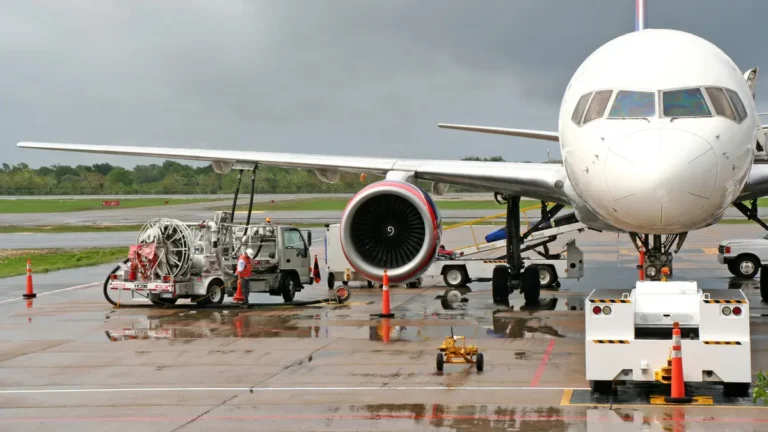
This decision is driven by the sharp rise in operating costs linked to jet fuel prices. These prices have reached record highs as a result of geopolitical instability. Escalating tensions related to the potential conflict with Iran have also contributed to this increase.
Service reductions starting May 19
Aviation industry reports indicate that, starting May 19, airlines will cease serving food and beverages in the main cabin (economy class) on short-haul flights under 350 miles. This move is part of a broader strategy to restructure services and reduce unnecessary expenses, amidst soaring inflation and volatile global energy supplies.
Delta Air Lines explained that this change will affect approximately 9% of its daily flights. However, the airline reassured its passengers that it will continue to offer full service, including snacks and beverages, on about 14% of its longer-haul flights, in accordance with its established flight-length protocols.
First class outside of modifications
While passengers in the main cabin will feel the impact of these changes, first-class passengers will not be affected. They will continue to receive full service on all flights, regardless of distance.
The airlines confirmed that cabin crew will remain available to address passengers’ urgent needs. This applies even to flights that do not include scheduled beverage and meal service.
A shift in the operating model
Experts believe this decision represents a fundamental shift in the traditional aviation industry. Major carriers have begun adopting operating models similar to those of low-cost airlines. These companies have relied for years on selling services separately.
With the ongoing economic pressures stemming from the Middle East energy crisis, the question arises as to how other global airlines will respond to this trend. The question also remains whether passengers will accept the trade-off of historically free services in exchange for maintaining stable ticket prices amidst rising kerosene costs.