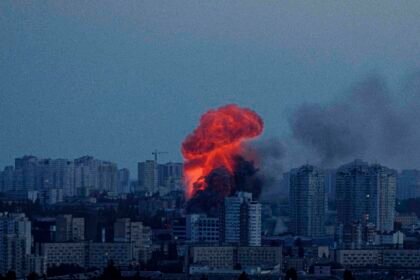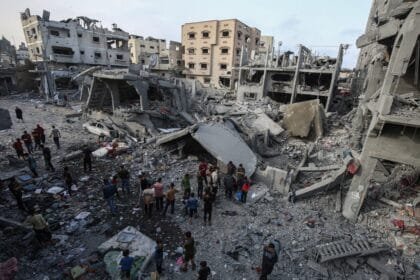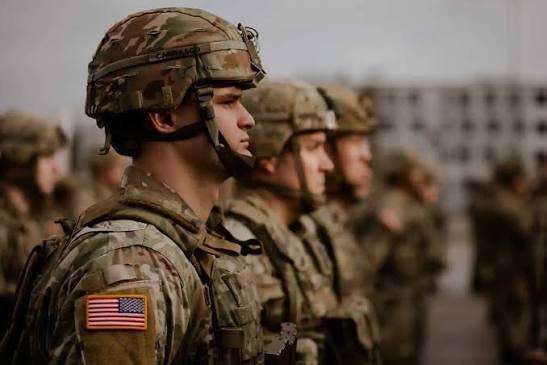
Tel Aviv, Israel – In a significant strategic shift, The Wall Street Journal revealed that the US Central Command (CENTCOM) is seriously considering relocating its military operations systems from Gulf states such as Bahrain, Kuwait, and Saudi Arabia to within Israel itself. Specifically, the relocation could be to the Negev region. This move comes in the wake of intensive Iranian strikes that have severely damaged approximately 20 US sites in the region since the start of the war. As a result, these developments have prompted Washington to reassess the “safe havens” for its forces.
Options for deployment in the Negev
The options available to the US leadership include establishing a new, independent military base in the Negev desert. Additionally, one of Israel’s existing air bases could be expanded and upgraded to accommodate a dedicated US military complex. This comes as part of broader plans to renew military supply contracts between Washington and Tel Aviv through 2030.
Repercussions of the Iranian strikes
This review came after the US Fifth Fleet base in Bahrain, the headquarters of US Central Command for 50 years, suffered extensive damage. Repair and rehabilitation costs are estimated at over $400 million. Given Iranian Supreme Leader Mojtaba Khamenei’s statements asserting that there is no “safe haven” for US bases, the Pentagon appears to be leaning towards reducing vulnerabilities in the Gulf region. Furthermore, the Pentagon favors a more secure strategic depth in Israel.
The American presence in Israel: opportunities and challenges
Strategically, the presence in the Negev gives the United States better access to monitor regional operations in Gaza and the Middle East. However, this presence has also presented internal challenges. The use of Ben Gurion Airport as a refueling base has resulted in significant financial losses for the Israel Airports Authority, estimated at 700 million shekels. Consequently, these losses have prompted Israeli authorities to seek alternatives for transporting US aircraft to designated military bases.
Amid these developments, Admiral Brad Cooper, commander of U.S. Central Command, is preparing to visit Israel next week to negotiate ceasefire arrangements in Lebanon and withdrawal lines. While some Israeli officials support a permanent U.S. presence to bolster strategic cooperation, a final decision remains pending due to complex regional dynamics. These regional dynamics continue to play a pivotal role in the decision-making process.