Canberra, Australia – The Australian stock market closed today at its lowest level in over two weeks, weighed down by a broad sell-off across most key sectors. This decline was fueled by global market anxiety over the stalled peace talks between the United States and Iran, which in turn led to a sharp rise in crude oil prices. Simultaneously, investor risk appetite noticeably weakened.
Performance of indices and sectors
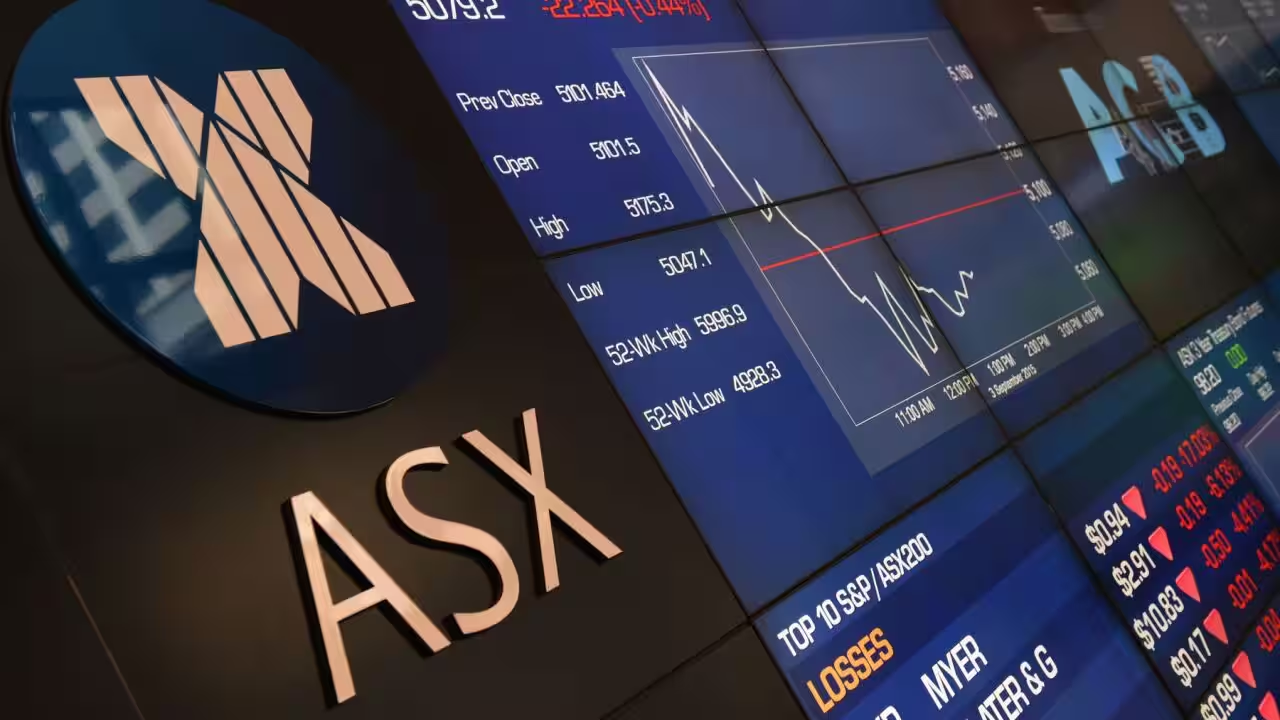
According to Reuters data, the benchmark S&P/ASX 200 index fell 0.6%, closing at 8,793.40 points. This is its lowest closing level since April 7.
Trading screens were predominantly red as investors rushed to sell off leading stocks in the technology and banking sectors. Concerns about the impact of rising energy costs on inflation were also a factor.
Energy sector leap
Contrary to the overall market trend, energy companies benefited from the strong rise in oil and gas prices.
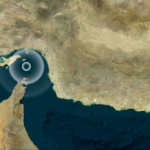
Santos led the way, with its shares jumping more than 3%. This was fueled by expectations of increased profits amid continued disruptions in the Strait of Hormuz and the threat to global energy supplies. Analysts believe this divergence in performance reflects investors’ attempts to hedge against geopolitical crises by focusing on commodities.
A pessimistic view from analysts
Commenting on the market situation, Luke Winchester, portfolio manager at Merweather Capital, noted that the current landscape lacks bullish catalysts. Winchester explained that with continued high valuations for stocks and growing uncertainty surrounding the global economic outlook, it is difficult to be optimistic about the ASX 200’s performance in the short term. He added that while the Australian markets are structurally strong, they remain highly sensitive to developments in the Middle East. Any disruption to shipping or military escalation will inevitably put additional pressure on supply chains and shipping costs. This will dampen investor hopes for a near-term stabilization of prices and stocks. The Australian markets also remain hostage to rapidly evolving geopolitical developments. Meanwhile, investors are weighing losses in the consumer sector against gains in major energy companies like Santos.