Baghdad, Iraq – The political scene in Baghdad is experiencing a state of anticipation and complexity amid the ongoing tensions between the United States and Iran. In this context, the Iraqi government finds itself facing a highly delicate equation, attempting to maintain a balance in its relations with both sides without aligning with one at the expense of the other.
Political sources indicate that Washington is intensifying its pressure on Baghdad regarding issues related to regional security, the influence of armed factions, and mechanisms for economic and financial cooperation. The United States is trying to limit any avenues that could be used to circumvent the sanctions imposed on Tehran.
Meanwhile, Iran is clinging to its traditional influence within Iraq through a network of political, security, and economic ties. It considers Baghdad an indispensable strategic depth. This stance is becoming increasingly clear, especially given the escalating tensions with the United States in the region.
This situation presents the Iraqi government with complex challenges, most notably maintaining internal stability and avoiding being drawn into regional conflicts. Economic pressures persist, along with issues related to energy, currency, and trade.
Observers believe that the current phase represents a true test of Baghdad’s policy of “difficult balancing.” International and regional interests are intertwined on Iraqi soil in an unprecedented way. As a result, political decision-making becomes more complex and sensitive.
Baghdad caught in the crosshairs of power balances: US and Iranian pressures weigh heavily on the Iraqi government
Iraq between Iranian influence and American pressure

Medhat Elsheikh
Medhat El-Sheikh, editor-in-chief of the Voice of Emirates News Agency office in Cairo, is a seasoned Egyptian journalist with extensive experience both within Egypt and abroad....




A city on the Black Sea regains the spotlight after the Salah deal… What do you know about Trabzon, Turkey?
An important trading post on the Silk Road thanks to its strategic location

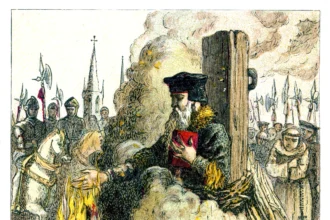
Czech religious reformer and philosopher Jan Hus
His ideas contributed to profound religious, political, and intellectual transformations
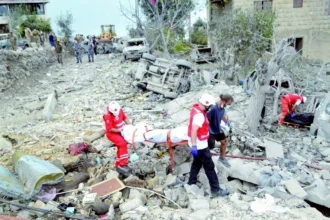
The toll from the aggression against Lebanon exceeds 4,000 martyrs and 12,000 wounded
International calls to halt hostilities and provide protection for civilians…