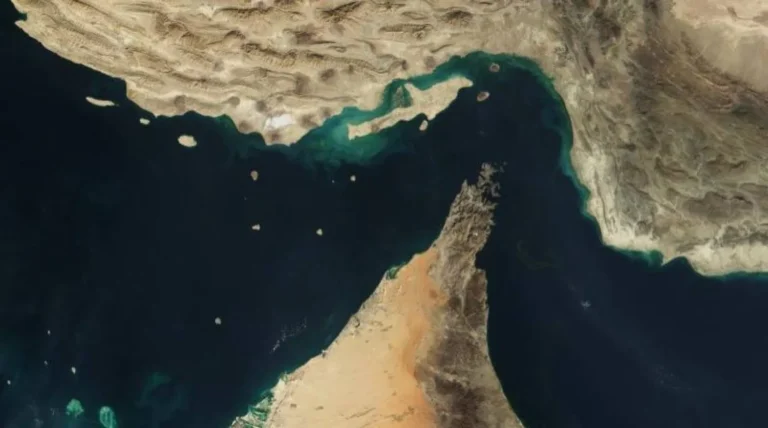
London, UK – Global fertilizer markets are experiencing severe turmoil, with prices soaring to record highs of up to 80%. This follows escalating tensions and the closure of the Strait of Hormuz, a vital maritime chokepoint for energy and raw material transport.
The strait is a key transit point for natural gas and oil shipments, both essential components in fertilizer production. Therefore, any disruption to shipping has a direct and immediate impact on production costs and global supply chains.
Experts have confirmed that supply shortages and increased shipping and insurance costs have driven companies to raise prices to unprecedented levels. There are concerns that the crisis could worsen if the strait remains closed for an extended period.
Analysts have also warned that this price surge could directly impact the agricultural sector, particularly in developing countries that rely heavily on fertilizer imports. This, in turn, could affect global food prices and exacerbate inflationary pressures.
In response, some countries have begun exploring alternative supply routes or increasing domestic production to reduce their dependence on imports. However, these solutions require time and significant investment, meaning pressures will persist in the near term.
Global commodity markets remain on tenterhooks, with price movements tied to the outcome of geopolitical tensions. The Strait of Hormuz has once again become central to the equation of global economic security.
A trade artery is being choked: The closure of the Strait of Hormuz is driving up fertilizer prices sharply worldwide
Hormuz and record highs in fertilizer prices

Medhat Elsheikh
Medhat El-Sheikh, editor-in-chief of the Voice of Emirates News Agency office in Cairo, is a seasoned Egyptian journalist with extensive experience both within Egypt and abroad....



US Travel Advisory Ceuta Migration Crisis Updated By State Dept
How did the irregular migration crisis impact the updated US travel guidelines regarding Ceuta?
Supporting economic reforms: Jordan receives $188 million from the International Monetary Fund
Jordan: New funding from the International Monetary Fund

The Israeli army announces the killing of two Hamas field commanders in Gaza
Israel carries out attacks against Hamas military targets

Spain imposes strict penalties for installing non-compliant air conditioning units
Spain: The importance of using certified technicians for air conditioning…