Seoul, South Korea – In a proactive move to counter the repercussions of the crippling naval blockade imposed by the US military on the Strait of Hormuz and Iranian ports, South Korea announced its success in securing a massive supply of crude oil through alternative routes. Furthermore, it was able to utilize suppliers unaffected by the escalating disruptions in these vital waterways.
Agence France-Presse quoted Kang Hoon-sik, South Korea’s chief of staff, as saying in an official statement to reassure markets and the public: “I inform the nation today that a series of diplomatic and field visits to four key countries have secured the import of approximately 273 million barrels of crude oil by the end of this year.”
The senior official explained that these substantial quantities were secured from sources and shipping routes that do not pass through areas affected by the current US embargo. This strengthens national energy security amidst a severe global crisis.
These remarks came immediately after Kang’s return from a whirlwind tour that included Kazakhstan, Oman, Saudi Arabia, and Qatar. Kang affirmed that the 273 million barrels of oil reserves secured through diplomatic efforts are sufficient to fully meet the country’s oil needs for more than three consecutive months. This is ample time to counter any sudden disruption in supplies from the Gulf or any further military escalation that could lead to a complete closure of the Strait of Hormuz.
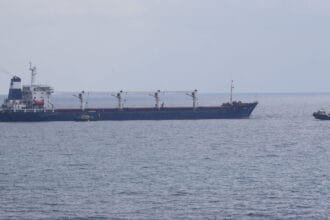
This move by South Korea comes at a highly sensitive time, as US destroyers have already begun intercepting oil tankers in the Gulf of Oman and forcing them to return to Iranian ports. This has sparked international fears of a severe shortage in global oil supply.
As one of Asia’s largest oil importers, South Korea’s strategy of diversifying its suppliers and relying on overland pipelines or ports on open seas, far from conflict zones, represents a successful economic survival strategy. Observers believe that Seoul’s success in securing this “oil buffer” will reduce domestic inflationary pressures. Furthermore, it gives the government greater room for diplomatic maneuvering without succumbing to the pressures of the energy crisis.