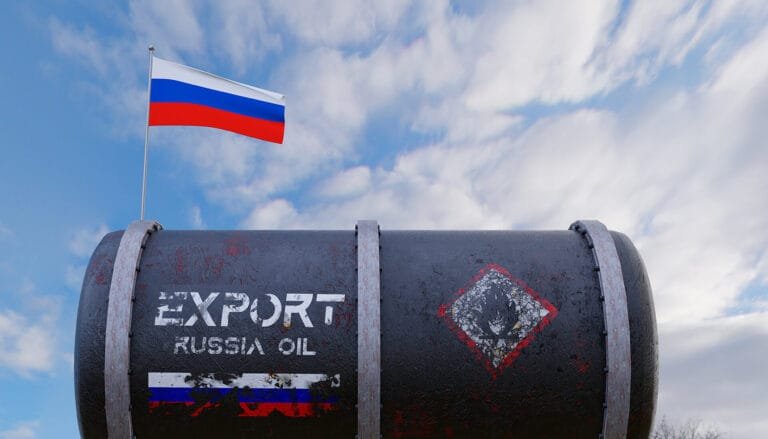
Manila, Philippines – International media outlets, citing Agence France-Presse, reported that the Philippine government has initiated diplomatic efforts to obtain formal permission from the United States to purchase additional quantities of Russian crude oil. This move comes amid a severe fuel crisis in Manila, a city that relies almost entirely on imports to meet its energy needs.
Supply crisis and geopolitical challenges
The Philippines is struggling to replenish its fuel reserves, which have been severely depleted due to disruptions in maritime trade routes, particularly amid the blockade and escalating tensions in the Strait of Hormuz. This situation has hampered the arrival of traditional shipments. Consequently, the government has been forced to seek alternatives to avert a potential economic collapse. According to available information, the Philippines’ sole oil refinery was only able to process 2.5 million barrels last month. This is a meager amount compared to its needs, especially after the cancellation of shipments of at least four million barrels since the escalation of US-Israeli military action against Iran. This has cast a dark shadow over the stability of the region’s energy market.
Exploiting temporary US facilities
Manila hopes to capitalize on the flexibility recently shown by Washington, where the United States eased some sanctions related to the Russia-Ukraine war last month.
These concessions allowed countries to purchase Russian oil that was already at sea until April 11. The move was intended to calm global energy prices and ensure stable supplies.
Manila’s demands and energy guarantees
Experts believe the Philippine request puts the US administration to the test of balancing its international sanctions policy with protecting the energy security of its allies. The Philippines, facing complex logistical challenges due to its geographic location and reliance on volatile waterways, sees readily available Russian oil as a necessary option to ensure the continuity of essential services. It also aims to protect its citizens from a dramatic surge in fuel prices. A response from the US is expected in the coming days. This comes amidst anticipation from Asian markets, which are themselves suffering from the repercussions of conflicts in both the Middle East and Eastern Europe.