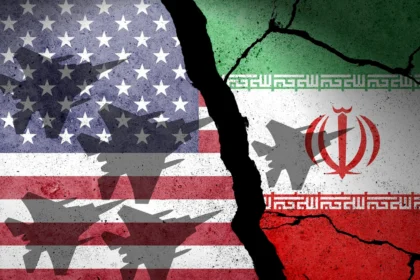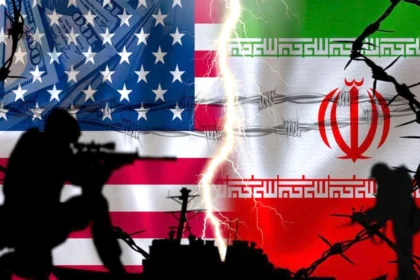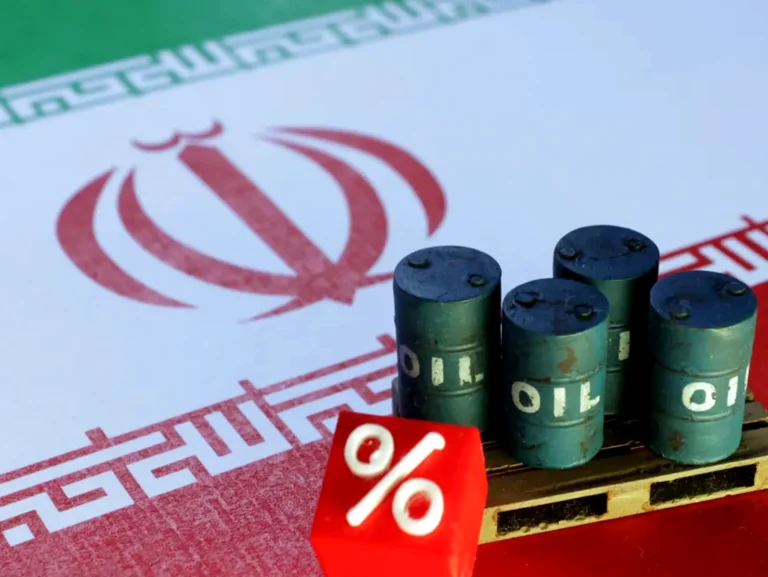
Global markets witnessed a dramatic surge in oil and natural gas prices at the start of trading on Monday, fueled by a wave of tit-for-tat attacks in the Middle East. This sharp rise followed Israeli and US strikes targeting sites in Iran.
These were followed by retaliatory attacks by Tehran in the region, raising serious concerns about a prolonged disruption to global energy supplies.
Brent crude surpasses the 13% mark
Escalating military tensions have forced the closure of numerous oil and gas facilities in the region. They have also partially disrupted vital shipping traffic through the Strait of Hormuz, the world’s most important energy trade artery.
At the start of trading, Brent crude futures surged by a record 13%, reaching $37.82 a barrel. This is the highest level since January 2025.
Although prices later retreated slightly from this peak in futures trading, investor anxiety remains high. Similarly, US West Texas Intermediate crude jumped by more than 12%, reaching $33.75, its highest price since last June. This reflects the widespread nature of the crisis and its impact on Western markets.
The European gas crisis and economic growth
Natural gas markets were not immune to this turmoil; futures contracts in Europe initially surged by around 22% on Monday. Prices then continued their upward trend amid ongoing security uncertainty.
Analysts believe that targeting energy infrastructure in the Gulf presents Europe with a significant challenge in securing rapid alternatives before the deficit worsens.
Warnings of a new global inflation
Economists warn that continued increases in energy prices will inevitably put enormous pressure on global economic growth. The high cost of fuel and gas quickly translates into higher production and shipping costs. This could trigger a new wave of global inflation and undermine central banks’ efforts to control prices.
While markets await the outcome of diplomatic efforts to de-escalate tensions, the “geopolitical risk premium” remains the primary driver of prices. This is happening amid fears that the conflict could spiral into an uncontrollable energy war of attrition, pushing the global economy into a period of stagflation.