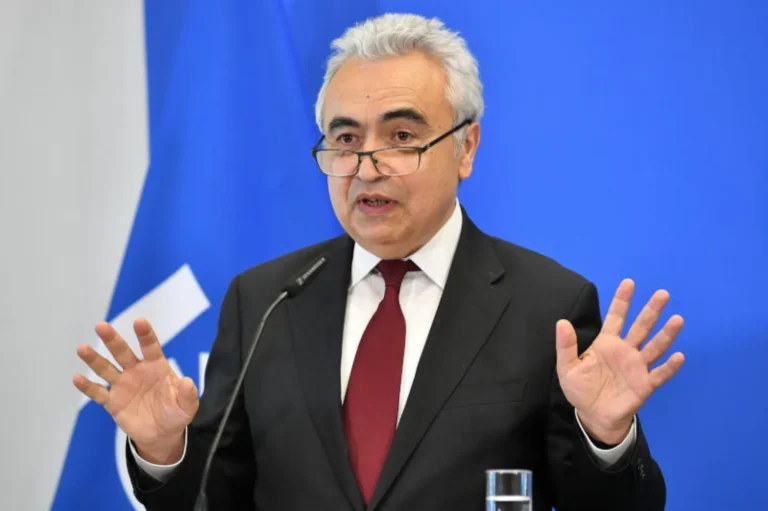
Paris, France – The head of the International Energy Agency (IEA), Fatih Birol, issued a stark warning to both investors and governments. He asserted that global markets continue to “underestimate the dire consequences” of a prolonged closure of the Strait of Hormuz. Birol explained, in remarks reported by Al Jazeera, that the continued obstruction of this vital shipping lane will inevitably lead to sharp and unprecedented spikes in global energy prices.
The agency’s head stated that on-the-ground indicators are already emerging, with new shipments of crude oil, liquefied natural gas, and fuel destined for major Asian markets having ceased. He noted that “supply gaps are now beginning to appear,” foreshadowing an energy crisis that could severely impact numerous industries heavily reliant on supplies from the Gulf region.
Disastrous consequences for developing countries
Birol expressed deep concern about the fate of the poorest countries, stressing that they would be “the hardest hit” by the shutdown. He attributed this to a confluence of negative factors, most notably the weakness of their currencies against the dollar and their limited financial resources to cover high energy bills. Therefore, this could lead to economic collapses in those countries if the crisis is not addressed quickly.
Risk of shortage of refined products
The International Energy Agency’s warning wasn’t limited to crude oil; it extended to refined products as well. Birol cautioned that shortages of vital fuels like kerosene (jet fuel) and diesel were imminent if crude oil couldn’t reach global refineries. He warned that such shortages could cause widespread disruptions to air traffic, including international flight cancellations. Furthermore, it could disrupt industrial supply chains in many countries.
These statements underscore the international community’s responsibility to find urgent solutions to ensure freedom of navigation. This is crucial to avert a global economic recession that could be triggered by a prolonged and uncontrolled energy crisis.