South Sudan, Sudan – South Sudanese authorities have reached a tripartite agreement with the two warring parties in Sudan. The agreement aims to secure the strategic Heglig oil field, located on the border between Sudan and South Sudan. This comes after the Rapid Support Forces (RSF) seized control of the area last week. The agreement includes the deployment of South Sudanese forces within the field. It also stipulates the withdrawal of both warring parties to the surrounding areas to ensure continued production and prevent any significant damage.
South Sudanese government spokesman Ateny Wek Ateny said the agreement grants the South Sudanese Armed Forces primary security responsibility for the Heglig oil field. This followed talks between South Sudanese President Salva Kiir and Sudanese army chief Abdel Fattah al-Burhan and his rival Mohamed Hamdan Dagalo (Hemedti), aimed at urging them to cease fighting around the field.
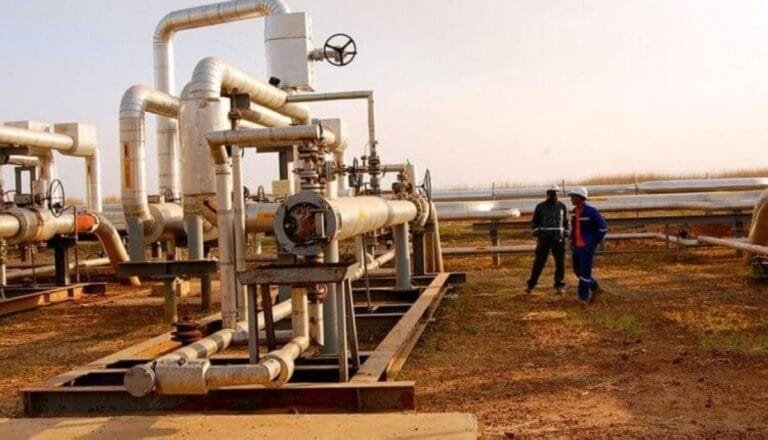
Ateny confirmed that production continues despite the shutdown of some wells and damage to infrastructure. Production has declined from 40,000–80,000 barrels per day to approximately 20,000–25,000 barrels per day. The Heglig oil field is the primary source for processing South Sudan’s oil exports and represents a significant portion of Sudan’s revenue. Sudan’s losses are estimated at around 28,000 barrels per day, in addition to transit fees for South Sudanese oil amounting to $400 million annually. South Sudan relies on Sudanese infrastructure to export its oil via Port Sudan. This reliance stems from its acquisition of 75% of Sudan’s oil reserves upon its secession in 2011.
The agreement stipulated that technical equipment within the field would remain untouched. The Rapid Support Forces also pledged not to interfere with production operations, while allowing engineering teams to carry out maintenance work. In recent weeks, 1,650 non-commissioned officers and 60 soldiers surrendered to South Sudanese forces. This followed the withdrawal of the Sudanese army from the area, which was part of securing the oil facilities.
The moves by the various parties to secure the Heglig oil field are a crucial step toward maintaining stable oil production. This comes amid ongoing concerns that oil could be used as a bargaining chip in the conflict between the army and the Rapid Support Forces, according to economic and military experts.