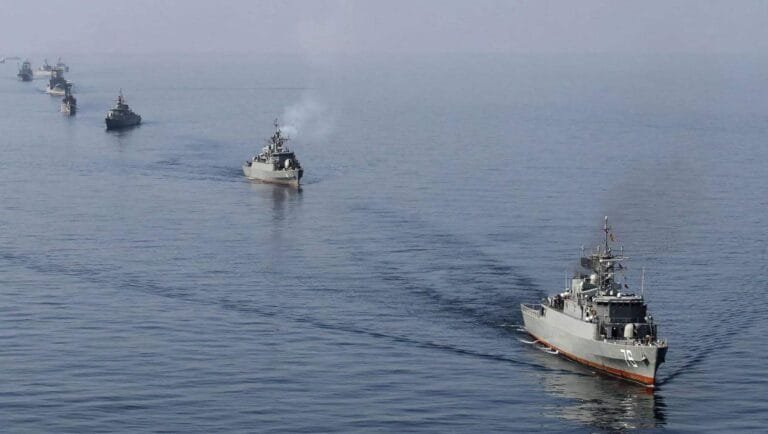
Tehran, Iran – Iran’s Revolutionary Guard naval forces seized the oil tanker TALARA, which was en route from the Gulf to Singapore via the Strait of Hormuz. This waterway is considered one of the most vital chokepoints for global energy trade.
The tanker flies the Marshall Islands flag and is operated by Columbia Shipmanagement, while it is owned by the Cypriot company Pasha Finance. According to official data, it was carrying approximately 30,000 tons of petrochemical products. The Revolutionary Guard confirmed that the shipment was “unlicensed” and transported illegally. This matter harms the interests of the Iranian people.
According to the statement, the tanker was intercepted south of the Makran coast and forced to sail to an Iranian port. This action was taken to inspect the vessel and investigate its cargo following a court order from the authorities.
The detention comes at a time when the Strait of Hormuz and the Gulf of Oman are among the most sensitive maritime chokepoints for energy transport. Approximately 20% of the world’s seaborne oil passes through this waterway. Any disruption to shipping in the region increases insurance costs and impacts global supply chains. It also exacerbates political tensions between oil-importing and exporting nations.
This move represents a continuation of Iran’s approach of using commercial shipping and energy security as tools for regional and international pressure. Tehran has previously threatened to close the Strait of Hormuz or seize foreign tankers in response to Western and US sanctions.
For its part, the US Central Command (CENTCOM) deemed the seizure of the TALARA in international waters near the Strait of Hormuz a “flagrant violation of international law.” Revolutionary Guard forces boarded the tanker by helicopter and forced it to sail into Iranian territorial waters. This action threatens freedom of navigation and the flow of global trade.
Reuters reported that the Automatic Identification System (AIS) showed the TALARA suddenly deviated from its course east of Khor Fakkan, about 22 nautical miles offshore. It was then forced to change course towards Iranian ports. This Iranian move raises concerns about the stability of global energy markets amid ongoing regional tensions.