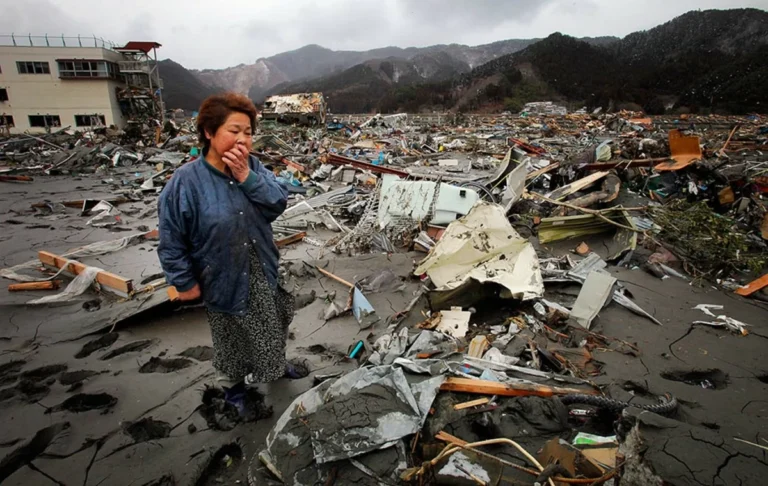
Tokyo, Japan – A 5.9 magnitude earthquake struck eastern Japan, injuring 37 people. Authorities immediately began assessing the aftermath and ensuring the safety of critical infrastructure. The quake was felt in several areas, including Tokyo and surrounding prefectures. The force of the tremor prompted residents to flee their homes and move away from windows and other potentially falling objects, creating widespread anxiety.
Authorities reported injuries in several provinces, mostly resulting from falls or collisions with furniture and belongings inside homes and buildings as people sought shelter from the tremor. The quake also caused temporary disruptions to some railway lines. Furthermore, precautionary measures were taken to inspect train tracks and related infrastructure before services were gradually restored.
Meanwhile, Japanese authorities confirmed there was no tsunami threat following the earthquake. No serious damage to nuclear facilities in the affected area was reported. Emergency teams and local authorities continued to assess the damage and monitor for any further developments. Authorities also urged residents to remain vigilant, especially given the possibility of aftershocks in the coming days.
Japan is one of the world’s most earthquake-prone countries due to its location in a seismically active region. This has led authorities to develop advanced early warning systems, enhance the preparedness of rescue teams, and strengthen earthquake-resistant building and infrastructure standards. The recent earthquake has once again highlighted the risks posed by frequent seismic activity in Japan. Despite this, the country possesses a sophisticated system for managing natural disasters and minimizing human and material losses.