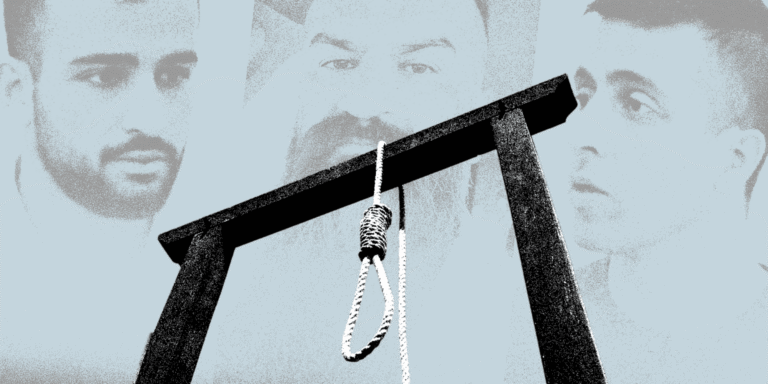
Tehran, Iran – The Iranian judiciary announced on Monday morning the execution of citizens Mehrdad Mohammadinia and Ashkan Maleki. This followed their conviction on charges related to their participation in the popular protests that swept the country in January 2016. This action comes at a time of escalating security and political tensions within Iran.
Details of charges and sentences
According to a statement issued by the judiciary’s Mizan news agency, the two men were executed after the Supreme Court upheld their sentences. They faced a number of serious charges, most notably “setting fire to the Jafari Mosque” in the Kuy-e Nasr neighborhood of Tehran.
The charges against them also included: destroying public property, engaging in armed or violent clashes with security forces, blocking vital roads, disrupting traffic, and preventing citizens from moving freely.
The judicial statement confirmed that the operation was based on physical evidence, including footage recorded by surveillance cameras in the vicinity of the mosque. In addition, it relied on “confessions” attributed to the defendants during the investigation.
Details of the alleged confessions
The Mizan News Agency published what it described as detailed “confessions” by the convicted Ashkan Maleki. The report stated that he admitted to entering the mosque courtyard and setting fire to a quantity of gasoline that had been poured on the ground, using a lighter he claimed his accomplice, Mehrdad Mohammadinia, had given him.
Judicial authorities considered these actions to be a transgression of red lines and an attack on religious and civil property. Therefore, the maximum penalty was imposed.
Ambiguity surrounds the implementation
Although the judiciary announced the completion of the executions after all legal proceedings were finalized and the Supreme Court granted final approval, the statement provided no further details regarding the precise timing or location of the executions. This raises questions about the nature of the trials and the conditions of detention for the defendants.
These developments come amid a broad security campaign launched by Iranian authorities since the beginning of this year, aimed at restoring security and stability following the protests that erupted last January.
International human rights organizations view the pace of executions related to the protests with grave concern. They therefore demand guarantees of fair trials and transparency in judicial proceedings, while the Iranian government insists that these sentences are carried out within the framework of enforcing the law and protecting national security from “acts of sabotage and chaos.”