
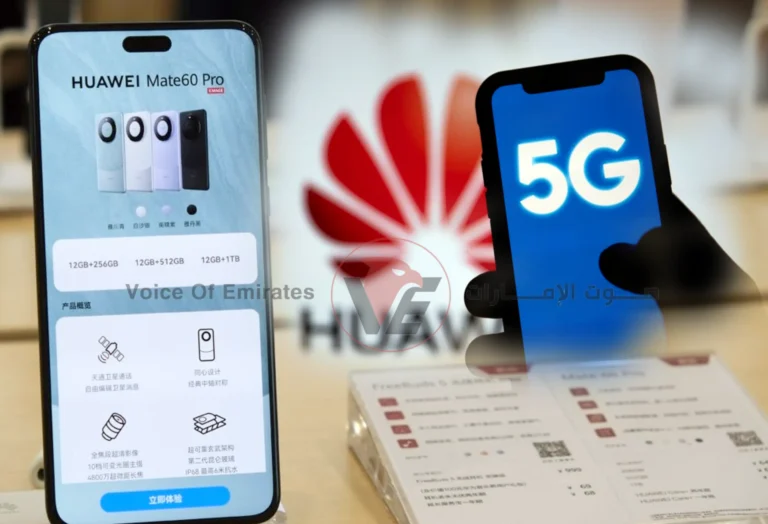
Beijing, China – Many wonder why smartphones prices are lower in the Chinese market compared to Europe, the United States, and many Arab countries.
Although most of these devices are manufactured in China, experts explain that the difference isn’t due to quality.
Rather, economic, marketing, and tax factors contribute to significantly lower local prices.
A primary reason is the lower distribution costs within China.
Major companies like Huawei, Xiaomi, Oppo, and Vivo produce most of their devices domestically.
This reduces shipping, storage, and customs fees that devices incur when exported to foreign markets.
Competition within the Chinese market
Taxes also play a significant role in determining the final price.
Many countries impose customs duties and taxes on imported phones, directly impacting the consumer.
Devices sold within China are subject to lower fees, giving companies greater pricing flexibility.
Another factor is the intense competition within the Chinese market, the world’s largest smartphone market.
Dozens of brands compete to attract consumers by offering low prices and frequent promotions.
Consequently, companies are forced to reduce their profit margins to maintain market share.
Some companies adopt a strategy of launching the phone first in the domestic market at a promotional price.
They then release it globally at higher prices to cover international marketing costs and after-sales service.
Additionally, there are expenses related to obtaining the necessary certifications and licenses in each country.
Widening gap between prices
Analysts believe that fluctuating exchange rates and regional pricing policies also contribute to the widening price gap.
Companies set their prices based on purchasing power in each market, the level of competition, and local operating costs.
Technology experts emphasize that a lower price for a phone in China
does not necessarily mean lower quality than versions intended for global markets.
Devices are often manufactured on the same production lines,
but some specifications may differ, such as network support, pre-installed apps,
or warranty services. This is done to comply with the requirements of each country.
As China continues to lead the global smartphone industry,
specialists expect the Chinese market to remain more competitively priced than most other markets.
This is due to the strength of domestic manufacturing, low production costs, and intense competition among companies.
Consequently, it makes China one of the most attractive markets for consumers seeking the best value for money.