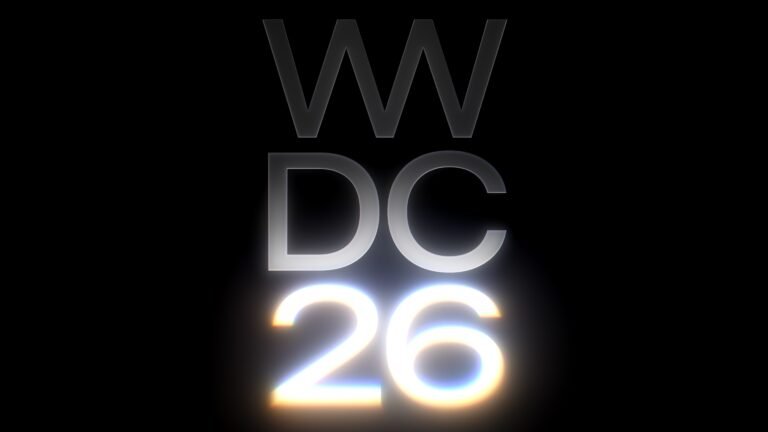
Cupertino – United States — Global tech leader Apple has initiated the deployment of a series of software updates and new digital services in strategic preparation for the upcoming launch of its annual Worldwide Developers Conference, WWDC 2026. This preemptive maneuver reflects the company’s ongoing commitment to strengthening its comprehensive digital ecosystem and broadening the scope of integrated services delivered to its global user base, right before officially pulling the curtain back on the next generation of software architectures and core technologies.
The WWDC Platform and Anticipation for an AI Revolution
The Worldwide Developers Conference (WWDC) stands as one of the most prominent landmarks on the annual global tech calendar organized by Apple. Through this dynamic forum, the company showcases the latest iterations of its operating systems across its entire hardware portfolio—including iPhone, iPad, Mac, and Apple Watch—alongside unveiling software innovations tied to artificial intelligence, advanced cloud services, and specialized developer-centric applications.
In this context, the company announced a suite of structural enhancements primarily engineered to elevate the end-user experience and optimize seamless integration across its distinct hardware models. The updates place a heavy strategic focus on maximizing overall performance, robust cybersecurity protocols, and expanding the operational capacities of digital services, which have evolved into a vital financial revenue stream and an increasingly significant component of Apple’s strategic corporate earnings in recent years.
Cloud Integration and Tightening Tech Competition
The ongoing preparatory adjustments feature the release of innovative characteristics targeting digital content delivery, secure cloud storage frameworks, and unified account management profiles. These tools are designed to grant users a more fluid, dynamic experience when navigating between multiple devices within Apple’s closed ecosystem. This accelerated software momentum unfolds amidst intensifying competition among big tech conglomerates to deliver smarter, highly intuitive platforms anchored to advanced machine learning and generative artificial intelligence architectures.
Industry analysts and market experts suggest these introductory rollouts serve as an operational bridge paving the way for broader, more radical software announcements during the highly anticipated conference. This comes amid mounting expectations and institutional reports predicting deep integration of sophisticated artificial intelligence features into Apple’s primary operating systems, which would equip both consumers and corporate developers with highly advanced productivity tools.
The global tech sector and international financial markets are closely monitoring WWDC 2026 as the primary benchmark defining Apple’s future technological roadmap, especially with the accelerating race in artificial intelligence, cloud computing, and extended reality (XR) spaces. The event is also widely expected to showcase new software development kits (SDKs) and programmatic tools designed to help developers engineer more efficient, high-performance applications that integrate organically with the company’s hardware.
Over the past decade, WWDC has transitioned into a pivotal node for the broader tech industry. Its direct impact ripples far beyond regular Apple product consumers, heavily influencing independent developers and rival tech firms that meticulously analyze the structural, architectural, and software adjustments Apple introduces annually. As the countdown to the keynote address nears its end, anticipation regarding Apple’s potential surprises continues to escalate, capturing the undivided attention of investors, creators, and consumers waiting to discover the next generation of technologies that will redefine the future.