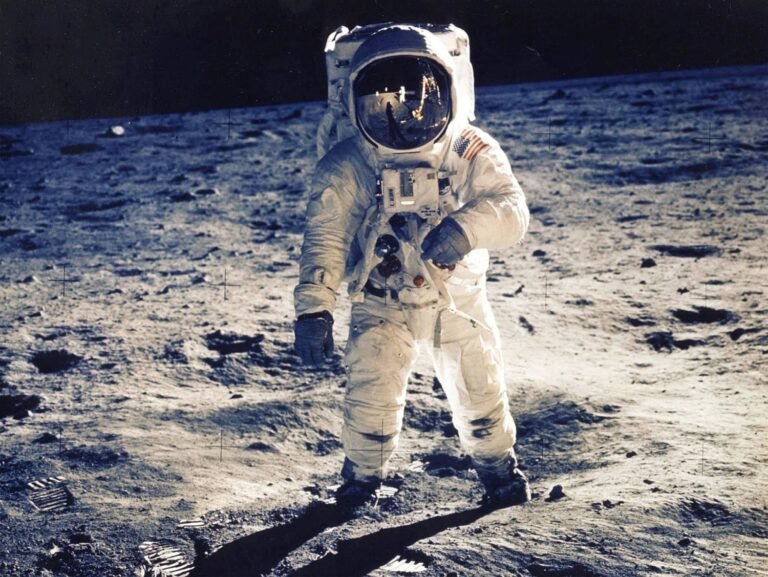
Washington – After humanity held its breath watching the first steps on the Moon, the United States faced a different challenge: how to treat the “Space Deities” who returned as ordinary men? Obviously, by May 2026, the return journey proved harder than the ascent. Apollo astronauts transitioned from national icons filling TV screens to citizens seeking new roles in daily life, far from the legendary glow that accompanied their historic mission.
“The Adaptation Crisis”: When Earth Feels Small for Those Who Inhabited Space
Historical reports clarified that many astronauts faced immense difficulty readjusting to “life’s routine” after an experience that altered their perception of existence. Accordingly, some moved between administrative jobs at NASA or private firms, while others chose isolation or teaching to pass on their “cosmic silence” to new generations. Clearly, seeing Earth as a “tiny blue marble” from afar created a psychological gap between these men and daily human struggles, leading some to view them as strangers to their original world.
“Memory Capsules”: Between Official Honor and Fading Public Interest
Although the U.S. government turned their suits and capsules into “icons” in national museums to document technological supremacy, researchers notice a gradual decline in societal interest. As a result, the spotlight has been stolen by new generations of SpaceX technology and AI. Space historians believe the Apollo experience highlights a harsh human truth: the greatest achievements can become mere “lines in a book” over time. The question remains: did America do justice to its heroes, or did it settle for placing their belongings behind glass?