Istanbul, Turkey – Turkish authorities have restricted commercial vessel transit heading toward Black Sea ports following intensified Russian and Ukrainian military attacks on shipping vessels. Consequently, this preemptive measure highlights Ankara’s commitment to protecting maritime crews and mitigating operational hazards across its sovereign straits.
Furthermore, sources revealed that Turkey’s Directorate General of Coastal Safety informed several ships bound for Russia’s Novorossiysk port and Ukrainian terminals that Dardanelles Strait transit permits are being delayed or subjected to extended safety reviews. As a result, commercial shipping flows experienced notable deceleration, though vessels bound for Bulgarian and Turkish destinations continued sailing normally.
Targeting Commercial Shipping and Global Market Impacts
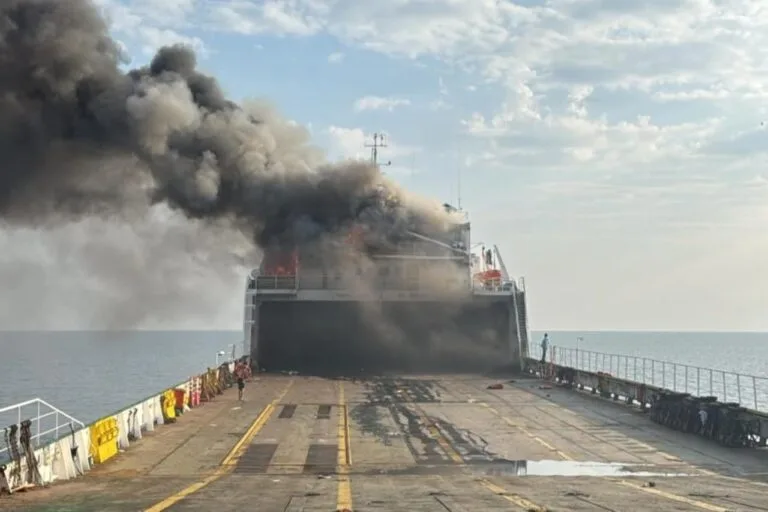
On the other hand, Turkey’s decision follows recent drone strikes against commercial vessels, including Turkish-owned ships, which resulted in injuries to crew members. Specifically, Turkish diplomatic efforts aim to compel both warring parties to implement concrete security measures and prevent further naval escalation that could jeopardize regional stability.
Additionally, these transit restrictions have sparked renewed anxiety across global energy and agricultural markets, given the Black Sea’s critical role as a transit hub for Russian and Ukrainian oil and grain exports. Consequently, market analysts warn that prolonged maritime disruptions could trigger price volatility in commodity markets, building on recent spikes in global wheat prices.
Finally, Turkey’s decision to throttle Black Sea transit reflects heightened security precautions aimed at safeguarding international maritime commerce. Ultimately, diplomatic coordination between Ankara and conflict parties will prove decisive in restoring normal shipping operations and stabilizing global food and energy supply lines.