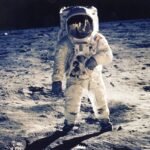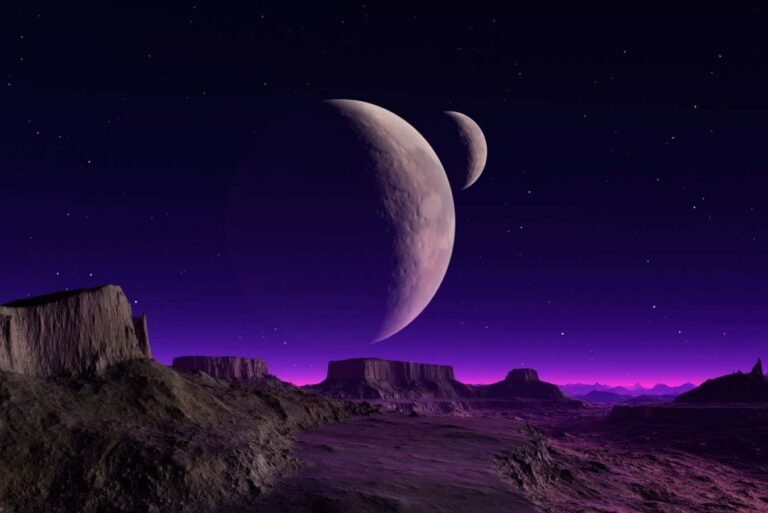
Cairo – Decades before Neil Armstrong’s historic lunar landing in 1969, world literature had already built its own settlements there, detailing the contours of human life among the stars. Obviously, by May 2026, the relationship between sci-fi novels and space research is no mere coincidence but a bond of “mutual inspiration.” Writers tested the future on paper before reality decided it, as if the novel were the “first draft” of the space colonization projects we see today.
“Paper Laboratories”: How Jules Verne and Wells Predicted the Future of Space
Comparative literature specialists clarified that 19th-century classics were not just entertainment but formed a “mental laboratory” predicting artificial life systems and space transport. Accordingly, researchers believe sci-fi laid the groundwork for adapting to low gravity and the lack of atmosphere—the very challenges the Apollo programs later faced. Clearly, literature possessed “radars” that foresaw scientific progress over a century in advance, making “imagination” the true leader of humanity’s march into the unknown.
“From Fiction to Mars”: When Scientists Return to the Bookshelves
Today, as talk of permanent lunar bases and manned missions to Mars intensifies, researchers find that what novelists wrote long ago is returning to the scientists’ table—this time with precise engineering blueprints. As a result, it has become certain that science only moves when provided with a “vision” by literature. While imagination provides the first spark for the impossible, science takes on the task of turning it into a tangible reality. In this harmony, literature remains the living witness that the “human mind” inhabited space long before human feet touched it, turning pages of fiction into real launchpads for the stars.