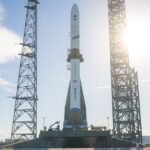
Texas, USA – The name of SpaceX’s “Starship” vehicle stands out today as the cornerstone of an unprecedented human ambition aimed at colonizing deep space. This bold project, being developed at the company’s facilities in Texas, represents the most significant leap in the history of modern spaceflight. Accordingly, the Starship spacecraft project is the primary hope for transporting large numbers of humans and cargo to the Moon and Mars, as part of a long-term vision seeking to make humanity a multi-planetary species.
A Revolution in Space Cargo Costs and Reusability Technologies
The true strength of “Starship” lies in its extraordinary capacity for full reusability, representing a paradigm shift compared to traditional rockets. Obviously, this technical approach contributes to slashing spaceflight costs by a staggering margin, opening the door for regular and sustainable missions. As a result, analysts believe that reducing the cost per kilogram transported to orbit will revolutionize how nations and corporations plan their exploratory missions, making the dream of off-world human settlements closer to reality than ever before.
The New Space Economy and Ethical Dimensions of External Settlement
The success of Starship is not limited to the technical side but extends to creating an integrated space economy that includes asteroid mining, space tourism, and resource transportation between planets. Certainly, this intense race between major powers raises fundamental questions about the legal and ethical framework for colonization operations beyond Earth. Accordingly, the Starship spacecraft project remains the main driver of this historic transformation, despite the immense challenges regarding astronaut safety and providing habitable environments in the unforgiving void of space.