London, Britain – Oil prices fell sharply on Thursday, influenced by rapidly evolving political developments following the signing of an interim agreement between the United States and Iran aimed at ending their military standoff. The agreement also aims to reopen the strategic Strait of Hormuz and lift US sanctions on Tehran’s oil exports. This move has been described as ending the biggest disruption to energy supplies in modern history.
Sharp decline in crude oil futures
Brent crude futures fell 2.26% to $77.73 a barrel in early trading, while U.S. West Texas Intermediate crude dropped 2.80% to $74.64 a barrel. This decline reversed gains made by both benchmarks on Wednesday, when markets fluctuated following comments from U.S. President Donald Trump, who threatened to resume airstrikes if Iranian leaders failed to uphold the terms of the ceasefire.
Markets brace for the return of Iranian supplies
In this context, Tony Sycamore, a market analyst at IG, noted in an analytical note that “the sell-off has spread across energy markets as a result of the alert for the return of Iranian oil supply at a faster pace than expected. This came after the signing of the recent memorandum of understanding.”
The terms of the “Islamabad Memorandum” and securing navigation
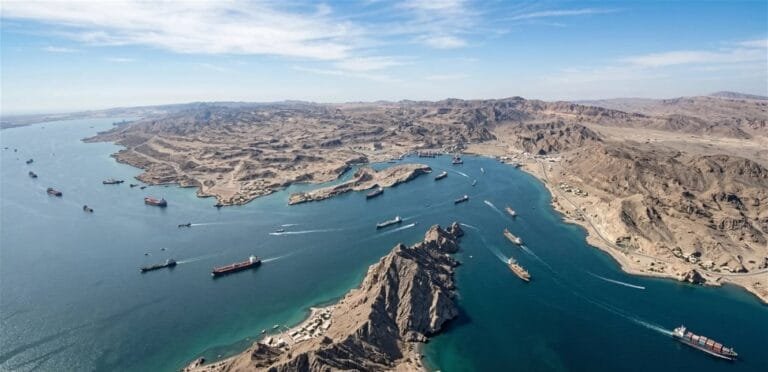
The 14-point Islamabad Memorandum includes a 60-day interim negotiation period. During this time, Iran pledges to guarantee the free passage of commercial vessels through the Strait of Hormuz, a vital artery for global oil and gas shipping. Both parties also commit to restoring full operational capacity of the strait within 30 days.
An ambitious economic framework for recovery
Although core and complex issues, such as the Iranian nuclear program, were postponed to later stages of negotiations, the agreement established an ambitious economic framework. The United States and its partners committed to a $300 billion investment plan to support the recovery of the Iranian economy. Global markets appeared to have received this news with considerable relief. Analysts expect downward pressure on prices to continue as Iranian oil begins flowing back into international markets.