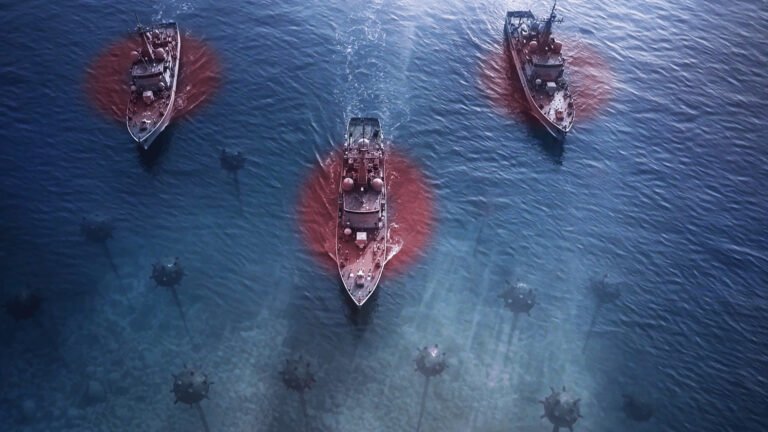
Berlin, Germany – Following the historic signing of the “Islamabad Memorandum” to end the war between the United States and Iran, German Defense Minister Boris Pistorius announced that his country is making practical preparations to participate in a possible international mine-clearing mission in the Strait of Hormuz.
German military movements and preparations for the strait
Pistorius explained that two German warships are currently en route to the Red Sea as a preemptive measure. This is in preparation for their potential deployment to the strategic strait. The minister emphasized that Berlin’s involvement in this sensitive mission will not occur without fulfilling specific legal and political conditions. Among the most important of these conditions is obtaining explicit authorization from the German parliament (Bundestag). Pistorius also stressed that any German naval activity requires prior approval and coordination with both the Islamic Republic of Iran and the Sultanate of Oman.
A historic agreement that will change the regional landscape
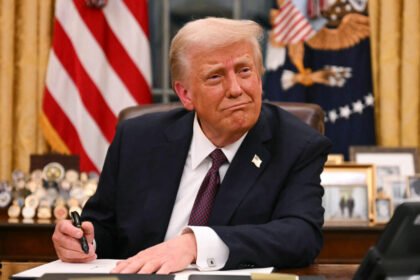
These moves come at a time of major political breakthrough in the region. This follows the signing of a memorandum of understanding between US President Donald Trump and Iranian President Masoud Pezeshkian, which went into effect on Wednesday. The memorandum stipulates a comprehensive cessation of hostilities on all fronts.
Mediation efforts and economic breakthrough
For his part, Pakistani Prime Minister Shehbaz Sharif, who played a mediating role, welcomed the development. Speaking on the X platform, he confirmed that the agreement means the reopening of the Strait of Hormuz and the immediate lifting of the US embargo on Iranian ports. In addition, Switzerland is scheduled to host an official ceremony on Friday to mark the occasion and signal the start of technical talks to finalize the agreement’s terms.
International welcome and hope for energy stability
French President Emmanuel Macron, who witnessed Trump sign the document at the Palace of Versailles, described the agreement as “an important step in the right direction.” He indicated that this step would pave the way for lasting peace and contribute directly to the stability of global energy markets. As a result, it could soon lead to a significant decrease in fuel prices for consumers worldwide. These developments place the international community at a new juncture, requiring high-level security coordination to ensure the implementation of the Islamabad Memorandum.