Cairo, Egypt – “Drone Forensics” constitutes a specialized technological science that relies on extracting and analyzing data from the wreckage of drones or their remaining parts, becoming a major and reliable weapon for investigators in identifying the party carrying out attacks with high accuracy, especially in events targeting vital infrastructure and strategic ports.
Behind the scenes of the investigation into the Damietta port incident
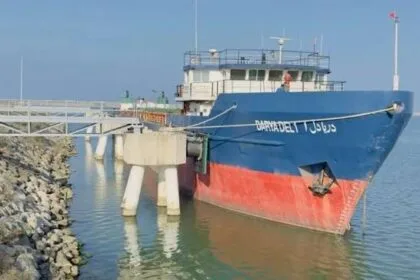
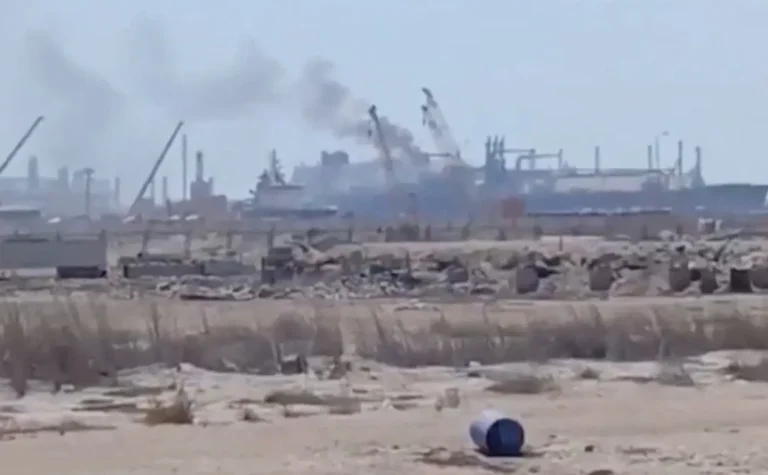
In this context, the Egyptian security services are continuing their official and intensive investigations to uncover the circumstances of the drone attack on the American gas tanker “Energos Winter” in the port of Damietta, an attack that resulted in a fire that later spread to another ship next to it, the “GasLog Salem”, without any human casualties being recorded.
The main methods for tracking down perpetrators through drone wreckage
Technical investigation teams rely on several key approaches to trace the party responsible for operating the aircraft. Among these, the following technical methods stand out:
Extracting data from the wreckage: Investigations focus on downloading flight logs, which accurately detail the flight path, waypoints, altitude, speed, and takeoff and landing times. These details often reveal the primary launch site. GPS data is also used to pinpoint the exact location. Additionally, serial numbers of the drone and its essential components, such as motors, batteries, and cameras, are tracked to identify the manufacturer or the retail chain that purchased the device.
Radio Frequency Analysis (RF Analysis): Control signals exchanged between the drone and its operator are monitored by tracking stations that capture the frequency “fingerprint.” If the drone is connected to the internet or cloud storage, digital labs can extract data on registered accounts and users.
Physical evidence and explosives: Examining the type of explosive or warhead used helps identify the supplier’s weapons signature. Electronic components also undergo rigorous laboratory testing to determine their technical origin, along with retrieving digital archives from the drone’s camera, which may contain images or video recordings captured moments before impact.
Advanced analysis tools: Security agencies use advanced software such as “DroneTrace” and “Dedrone” systems to analyze wireless signals in real time, in addition to analyzing cloud network traffic to link the drone to the operator even if local data is deleted from the aircraft’s memory.
Results of the investigations
In the case of the attack specifically targeting Damietta port, initial reports from maritime security companies such as Ambrey and security sources, along with press reports citing informed sources, indicated the possibility of the use of an Iranian-made drone. This comes amidst anticipation of the official results of the Egyptian investigation. Technical analysis confirms that even if the complete aircraft structure is not recovered, small, burnt fragments are often sufficient to determine the manufacturer, model, and sometimes even the identity of the actual operator with remarkable precision.