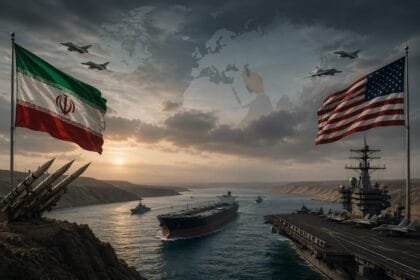
Tehran, Iran – Amid the ongoing open military confrontation between the United States and Iran, the US Central Command (CENTCOM) announced a third round of intensive airstrikes against Iranian military targets this week.
This escalation comes as Iranian authorities report increasing casualties and material losses from US operations. These operations have focused primarily on the southern coast and the area surrounding the strategic Strait of Hormuz.
Human and material toll of the raids
The Iranian Ministry of Health and local news agencies, including Tasnim, announced that the US airstrikes targeting six Iranian cities on July 8 and 9 resulted in the deaths of 17 people and injuries to approximately 115 others, due to aerial and missile bombardments that struck vital sites.
Additionally, media reports indicated that members of the Islamic Revolutionary Guard Corps were killed in Khuzestan province. Injuries of varying severity were also reported in the port city of Sirik.
On the infrastructure front, the US strikes caused significant damage to port facilities on the islands of Sirik and Qeshm, near the Strait of Hormuz. Military sources and field reports also confirmed the destruction of coastal radars, air and missile defense systems, and anti-ship installations. Additionally, there are unconfirmed reports of damage to bridges and vital infrastructure in the provinces of Hormozgan and Golestan.
Central Command: 300 military targets are in the crosshairs of targeting
For its part, the US Central Command revealed that its forces had successfully struck more than 300 military targets over the past three days. These targets included command centers, communications networks, and vessels belonging to the Islamic Revolutionary Guard Corps. The US military confirmed that these strikes were aimed at “degrading Iran’s ability to threaten international navigation.” This comes in response to Iranian attacks targeting commercial vessels in the vital waterway.
The collapse of the truce and the closure of the strait
This escalation follows the collapse of the “gradual reopening of the Strait” agreement reached last June. US President Donald Trump officially declared the ceasefire over. In response, Tehran swiftly closed the Strait of Hormuz “until further notice,” citing the presence of ships attempting to transit through unauthorized routes.
Commenting on this explosive situation, US Secretary of Defense Pete Hegseth asserted that Iran “made a bad choice and is now paying the price.” Despite the tit-for-tat attacks, Washington emphasized that the safe passage of commercial vessels remains guaranteed. As the brinkmanship continues, holding global markets in suspense, the precise damage caused by Iran’s retaliatory attacks against US bases in the Gulf states is still being assessed. This reinforces fears of the region sliding toward an unprecedented, full-blown confrontation.