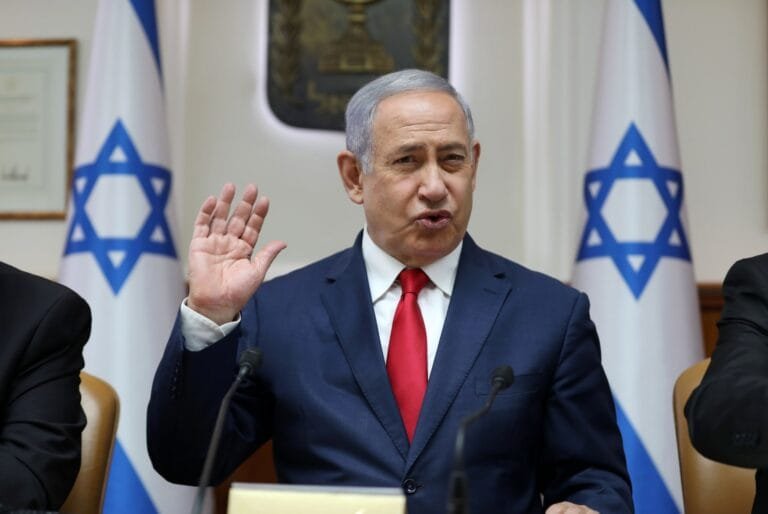
Tel Aviv, Israel – Amid rapidly evolving political and military developments, Israeli media reports on Sunday, July 12, 2026, revealed that Israeli Prime Minister Benjamin Netanyahu is seriously considering traveling to the United States in the coming days. The potential trip is to attend the funeral of prominent Republican Senator Lindsey Graham, a close ally of the US president. Graham passed away on Saturday evening at the age of 71.
Reports indicate that the visit, if it takes place, will present a pivotal opportunity for Netanyahu to hold a direct meeting with US President Donald Trump. Netanyahu had previously eulogized Graham in moving terms, describing him as “one of Israel’s greatest friends” and a steadfast supporter of its policies. This lends a political and strategic dimension to the trip, particularly given the current regional circumstances.
Continued US escalation against Iran
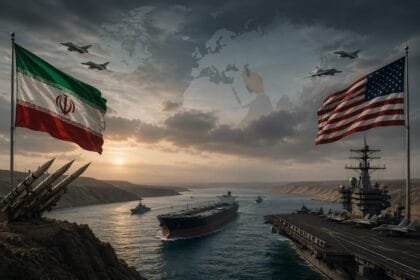
These political moves coincide with the announcement by the US Central Command (CENTCOM) that it had completed the third round of large-scale military strikes against Iran this week. A statement issued by US forces confirmed that the operations targeted approximately 140 additional Iranian military targets. These strikes were carried out using precision munitions launched from land and sea-based fighter jets, drones, and warships.
US Central Command (CENTCOM) explained that the strikes, carried out over three consecutive nights under the direct orders of US President Donald Trump, targeted more than 300 military sites. These included missile and drone launch sites, naval capabilities, ammunition depots, and coastal communications and surveillance networks. CENTCOM emphasized that these operations aimed to “degrade Iran’s ability to attack civilian mariners and commercial vessels” transiting the Strait of Hormuz.
International Navigation Security
In justifying the operations, the US Central Command claimed that commercial shipping through the Strait of Hormuz was proceeding normally. It also noted that since early May, US forces had successfully ensured the safe passage of more than 800 commercial vessels. Furthermore, they guaranteed the transit of 400 million barrels of crude oil. These developments on the ground underscore the importance of anticipated coordination between Washington and Tel Aviv, particularly at a time of direct military escalation in the region. This unprecedented escalation presents strategic alliances with critical tests and ushers in a new phase of confrontation.