Baghdad, Iraq – In the most significant security operation in years, Iraqi security forces imposed a tight cordon around the capital, Baghdad, on Sunday morning. They also began closing all entrances to the heavily fortified Green Zone, coinciding with a large-scale raid and search operation targeting the homes of members of parliament, politicians, and businessmen implicated in cases of financial and administrative corruption. This move is a practical implementation of Prime Minister Ali Mohsen al-Ahmad’s pledge to launch a “state-wide battle” against corruption.
Unprecedented security measures
The operation began in the early hours of Sunday morning, involving joint forces including the Counter-Terrorism Service and the Iraqi Army. Specialized integrity security teams also participated.
Informed security sources reported that the forces established numerous checkpoints within the Green Zone. All those leaving were subjected to rigorous screening. Furthermore, all security exemptions were revoked, with the exception of students carrying examination cards.
The operation was not limited to the government compound, but extended to include simultaneous raids in vital areas of Baghdad, including Al-Shaab, Al-Yarmouk, Zayouna, and Al-Mansour. Sources also revealed that a security force entered the headquarters of the Central Oil Company based on precise intelligence. At the same time, urgent judicial orders were issued banning a number of political figures and businessmen from traveling until the investigations are completed.
The wanted list and the depth of corruption
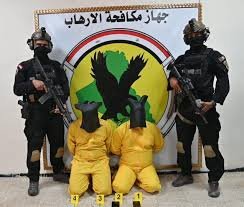
Initial reports confirm the arrest of more than eight people in the first phase, including current members of parliament and executive officials. These arrests were based on judicial warrants issued as part of a broader crackdown.
These actions come as political circles await the release of additional indictments targeting bodyguards, advisors, and financial intermediaries implicated in illicit enrichment.
This move comes within the context of strengthening the powers of oversight and judicial bodies, a measure adopted by the al-Zaydi government. These measures also included reopening major corruption cases that had been frozen for years and activating strict oversight of large government contracts. These contracts had previously been managed through complex networks of influence.
The “Al-Jumaili” case: Threads that reveal the hidden truth
This campaign is part of a broader series of operations that began last week, following dramatic developments in the case of the suspended Deputy Oil Minister, Adnan al-Jumaili.
Investigations and detailed confessions by al-Jumaili revealed extensive corruption networks. As a result, authorities arrested the former governor of Salah al-Din, Raed al-Jubouri. In addition, enormous sums of money were discovered hidden four meters underground.
According to the Supreme Judicial Council, the total amount of money seized in this case alone exceeded 98 billion Iraqi dinars and 11 million US dollars. In addition, 70 properties, 21 modern vehicles, and large quantities of gold jewelry were confiscated, reflecting the scale of the losses suffered by the public treasury.
Restoring public trust
These measures represent a serious government attempt to restore public trust in Iraq, which has witnessed widespread protests in recent years demanding an end to corruption and the deterioration of public services.
Observers believe the success of this campaign hinges on its continuity and comprehensiveness, free from political selectivity. Therefore, it will send a clear message that the principle of accountability is now a reality, one that cannot be erased by political influence or parliamentary immunities. This is the true test that Iraqi citizens are waiting for to rebuild trust in state institutions.