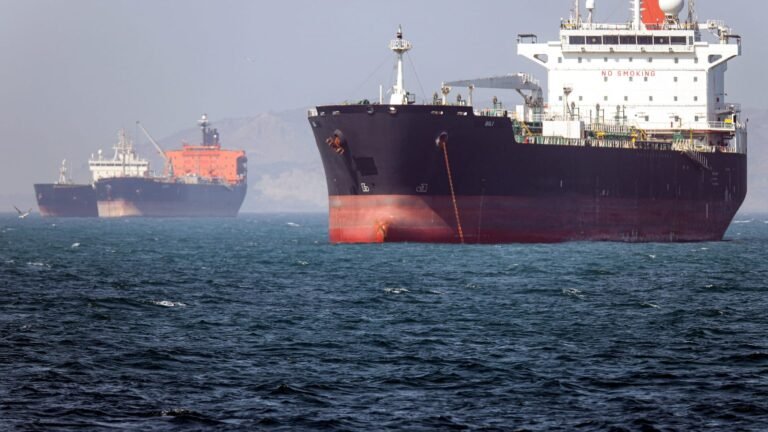
Tehran, Iran – In a development reflecting a significant shift in the dynamics of the world’s most vital waterway, Kpler, an analytics firm, reported that 36 cargo ships successfully transited the Strait of Hormuz on Monday, July 1.
This figure represents the highest level of maritime traffic in the strait since the outbreak of the US-Israeli war against Iran. It signals the beginning of a new phase of gradual recovery in global trade through this crucial oil artery.
Gradual return to international shipping
Kpler based its data on accurate shipping tracking systems, suggesting that this number is likely to increase further once all transiting vessels are monitored for the day.
The global maritime monitoring organization explained that the 36 recorded transits represent a return to approximately one-third of the normal shipping traffic the region experienced before the war. The daily average for transits was around 120 vessels. While this figure remains far below pre-conflict levels, observers see it as a positive indicator of a desire to return to commercial stability.
The conflict between “governance” and international obligations
This crossing comes amid differing political views on the future management of the Strait of Hormuz. While the US administration, following the signing of the recent memorandum of understanding, stressed the need to reopen the strait to international navigation without imposing any additional fees, Iranian authorities adopted a more cautious stance.
Officials in Tehran have stated that “the situation in the strait will never return to what it was before the war,” suggesting that Iran seeks to establish a new administrative role that transcends the previous rules. This adds a layer of ambiguity to the nature of the security and administrative arrangements in the coming phase.
A surge in Iranian oil exports
Meanwhile, Bloomberg reported that oil tanker traffic has seen a surge in activity, going beyond the mere passage of commercial vessels. Ship tracking data indicates that Iranian oil exports have reached record highs since the start of the war, with three supertankers, despite being subject to US sanctions, entering the Strait of Hormuz on Monday. They were carrying approximately six million barrels of crude oil and were headed towards Asian markets, specifically Singapore.
This development presents the international community with a complex equation, as efforts to secure global waterways intertwine with the complexities of economic sanctions and the new military reality imposed by the war in the Middle East, making the movement of ships through the Strait of Hormuz an indicator not only of trade but also of regional and international power balances.