Washington, DC – The Wall Street Journal reported that US Defense Secretary Pete Hagsett has decided to extend the deployment of US troops in the Middle East until 2027. This comes as approximately 50,000 US troops remain in the region. The ongoing and escalating conflict with Iran has placed immense and unprecedented strain on US military readiness and equipment.
Huge military capabilities and complex field missions
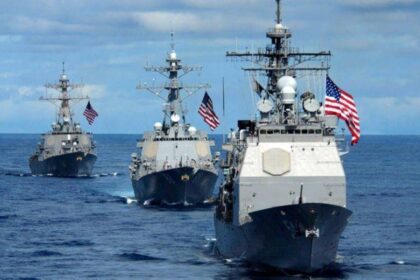
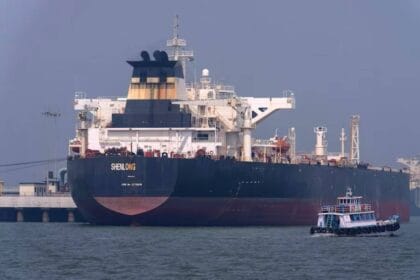
The United States currently possesses a substantial naval presence in the region, including 19 warships, two aircraft carriers, and 13 destroyers. In addition, it maintains advanced air defense units, fighter jets, and paratrooper forces. These forces are focused on carrying out highly sensitive strategic missions. These missions include intercepting ballistic missiles and drones launched by the Islamic Republic and protecting vital commercial shipping lanes in the Strait of Hormuz. Furthermore, it maintains a tight blockade of Iranian ports and coastal areas.
Trump’s political bets and new military options
In the political context, the newspaper quoted US officials as saying that President Donald Trump discussed the possibility of declaring an end to the war in private talks with his senior advisors. However, he believes that maintaining sustained economic pressure is the surest way to force Tehran to either dismantle its nuclear program completely or face the risk of the regime’s total collapse. Last month, Trump considered several new escalation military options, including intensifying airstrikes, sending ground troops to seize strategic Iranian islands near the Strait of Hormuz, and launching strikes against a fortified site suspected of being used for clandestine nuclear activities.
Implications of the extension on the readiness of the US military
This repeated extension of combat deployments has raised widespread concern in military circles, with some air defense units having their deployments extended from nine to twelve months. Key elements of the 82nd Airborne Division are likely to remain stationed in the Middle East until 2027. Military experts have warned that maintaining this high level of presence and operational attrition could negatively impact routine equipment maintenance. Furthermore, it could weaken Washington’s strategic capabilities in other vital regions around the world.