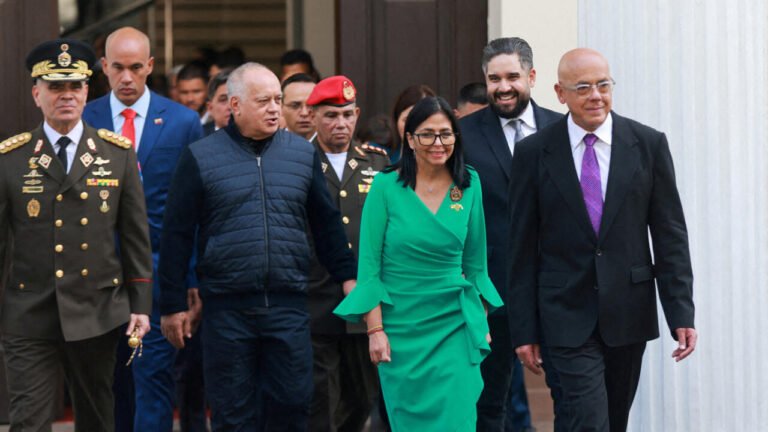
Caracas, Venezuela – The Venezuelan government and a faction of the opposition plan to launch a new round of US-backed political talks aimed at outlining the country’s political future and addressing its current crises. This move comes amid a boycott by the movement led by exiled opposition leader María Corina Machado. Consequently, this situation raises questions about the inclusiveness of the proposed settlement. It also raises doubts about its potential to achieve a genuine breakthrough.
Details of the first meeting and the agenda
The government representative, President of the National Assembly and brother of the Acting President, Jorge Rodriguez, announced yesterday, Saturday, that the first direct meeting between the two parties will be held next week in the capital, Carax.
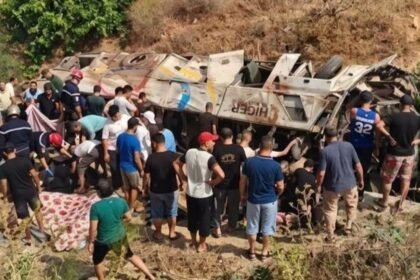
Key items on the agenda: Providing necessary support to the victims of the two devastating earthquakes that struck the country on June 24th tops the agenda. Furthermore, participants aim to strengthen the democratic process, consolidate rights, and provide necessary political guarantees.
The participating parties: The government delegation will be led by Jorge Rodriguez. Meanwhile, the opposition side will be represented by Dinorah Figuera, the former president of the National Assembly elected in 2015. In the same context, Washington confirmed its support for the diplomatic process without being a direct party at the negotiating table.
Machado Wing boycott and the positions of the concerned parties
In contrast, opposition leader and 2025 Nobel Peace Prize laureate María Corina Machado, along with 2024 presidential candidate Edmundo González Urrutia, declared that their political camp had no involvement whatsoever in drafting or conducting the negotiations for this dialogue. They clarified that the entire mechanism was agreed upon exclusively between members of the 2015 National Assembly and government representatives. Figuera and Rodríguez had outlined the agenda for the talks in mid-July. In this context, they emphasized that the priorities focused on strengthening democratic institutions and improving the electoral system. Additionally, expanding political participation was a key focus. These talks represent a new chapter in a series of arduous and ongoing attempts to resolve Venezuela’s deep political crisis through diplomatic means. Previously, rounds of dialogue faltered and failed to break the political deadlock.