Unprecedented steps by Britain to deter Russian online activities: Learn all the details about the new sanctions. London, UK – In an unprecedented move aimed at curbing Russian activities in cyberspace, the United Kingdom and the European Union announced on Monday, July 13, 2026, a joint sanctions package targeting 24 Russian individuals and entities. The measures come in response to what London and Brussels described as “reckless and repeated attempts to sow chaos and division across Europe” through cyber and hybrid operations.
Targeting intelligence leaders
The British sanctions targeted the structure of Russia’s military intelligence agency (GRU), adding three senior commanders of Unit 29155—Vyacheslav Stafiev, Ivan Sinin, and Ivan Kasyanenko—to the sanctions list for their direct role in directing cyber and hybrid threat operations. The British statement indicated that this unit collaborated closely with criminal networks, including the company IMPULS. Furthermore, it recruited hackers and cybersecurity specialists from within Russian universities and academies.
A “sabotage” attack was foiled in Poland.
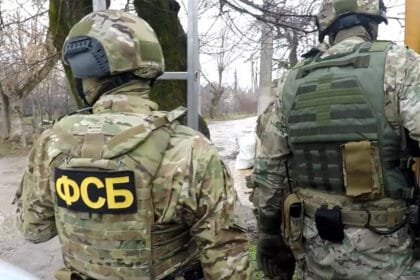
In a significant security development, the United Kingdom and the European Union attributed a cyberattack targeting the Polish power grid to the Russian Federal Security Service’s (FSB) “Center 16.” London asserted that the attack, though thwarted, aimed to deprive half a million Polish citizens of electricity during the peak of winter, describing it as a blatant example of “the Russian state’s efforts to sow chaos.”
Combating disinformation and malware
In a parallel move, sanctions targeted those involved in the Lumma Stealer program, malware used to steal sensitive information from compromised devices worldwide. The UK’s National Crime Agency revealed that at least 2,100 British citizens were targeted by this program in the past six months. The sanctions also targeted 10 individuals associated with the Rybar media network. The network was accused of using artificial intelligence and fake investigations to interfere in European elections and spread disinformation serving the Kremlin’s agenda.
For her part, British Home Secretary Yvette Cooper affirmed that these sanctions send a clear message that Russia can no longer “hide behind cyber proxy groups.” She also emphasized that London and Brussels will continue to strike at the heart of the criminal networks that support Russian aggression and undermine European security. This sanctions package marks the first time the UK and the EU have fully coordinated their efforts in the area of cyber warfare. This reflects a shift in strategy for countering transnational Russian threats.