Tehran, Iran – In a move reflecting the scale of the crises facing Iran’s energy sector, officials at the state-owned Tavanir Company announced the implementation of a nationwide plan for “planned power outages.” This comes days after widespread complaints from residents of Tehran and other provincial capitals about prolonged and unprecedented power cuts.
Crisis management in the face of consumerism
Abdul Amir Yaqubi, the general manager of the Energy Management Planning Office at Tavanir Company, told state television on Monday that authorities would announce electricity rationing schedules 48 hours in advance. Yaqubi attributed the decision to the extreme strain on the national power grid, which is currently operating at maximum capacity. He further explained that the soaring temperatures leave the relevant authorities with no option but to implement load management to prevent a complete grid collapse.
The war bill: 4200 megawatts of lost capacity
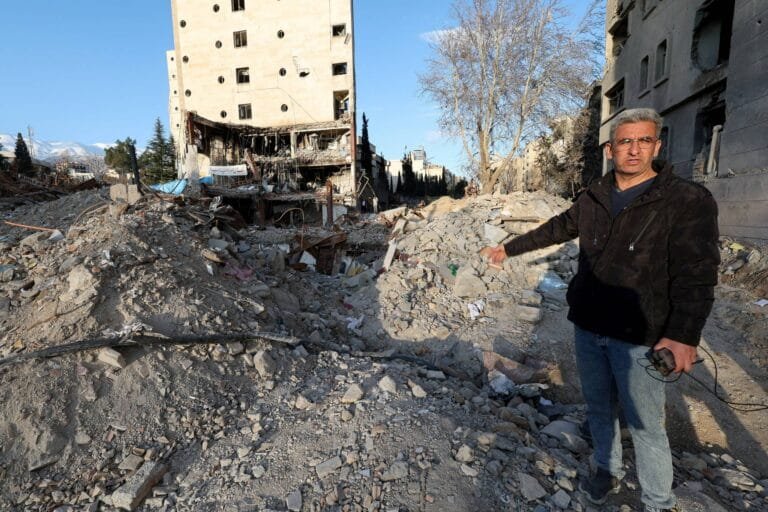
This crisis is a direct result of the damage caused by the recent war. Mohammed Al-Haddad, CEO of Twanir, revealed shocking figures regarding the extent of the destruction to the energy infrastructure. Al-Haddad confirmed that the 40-day war damaged more than 2,000 points in the national electricity grid. Consequently, this resulted in a sharp decrease in generation capacity of 4,200 megawatts.
According to the Iranian official’s estimates, the material damage to power plants, transmission networks, and technical equipment exceeded 60 trillion tomans. Iran, which relied on this network to meet increasing demand, suffers from a structural deficit in production. This deficit has been exacerbated by the disruption of these vital facilities as a result of the recent military operations.
Field reports indicate that large areas of central Tehran, as well as other major cities, are experiencing a state of anticipation due to these scheduled power outages. Consequently, concerns are being raised about widespread economic and social repercussions, especially with the ongoing heat waves that are driving up electricity consumption for cooling. This makes balancing supply and demand a significant challenge for the Iranian government in the post-war period.