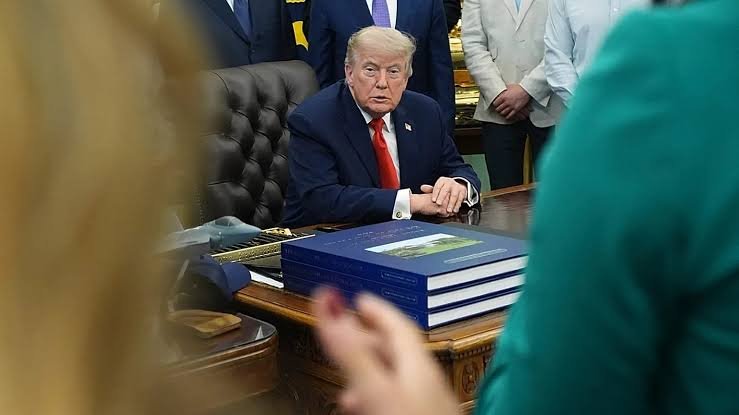
Washington, DC – In an unprecedented move aimed at bolstering his party’s influence ahead of the upcoming election, US President Donald Trump announced a rare national Republican Party convention midway through his second term. This announcement breaks with long-standing US political tradition, which has traditionally limited national party conventions to the period immediately preceding the presidential election held every four years.
Election mobilization ahead of the “midterm”
This convention, scheduled to be held in Dallas, Texas, on September 9 and 10, comes at a crucial time, just before the midterm congressional elections in November. Republican leaders are increasingly concerned about the difficulty of mobilizing voters without Trump’s name directly on the ballot, especially given the historical pattern that the ruling party typically loses congressional seats in midterm elections. Trump aims to change this dynamic with this gathering. He also wants to ensure that Republicans maintain their slim majority in Congress.
The “America First” agenda and the challenges of Dallas
In a post on Truth Social, Trump described the event as “historic and unprecedented,” asserting that he would use the platform to showcase his administration’s accomplishments since 2024. The choice of Dallas was not arbitrary; it highlights the high-stakes Senate race in Texas. Democratic candidate James Talarico is facing state Attorney General Ken Paxton in this contest. Republican leaders fear that the scandals surrounding Paxton could transform this race from a guaranteed victory into a drain on the party’s financial and logistical resources.
Divergent party positions
In contrast, the Democratic National Committee took a different stance, rejecting the idea of hosting a similar convention, citing the exorbitant costs that could further strain the committee’s already burdened budget.
Democrats believe the Republican convention would be a strategic opportunity to link all Republican candidates to Trump, potentially benefiting their campaigns in swing states.
These developments come as the US Supreme Court recently lifted restrictions on the amount of donations parties can spend in coordination with individual candidates. This decision could give Trump and the Republican Party a financial and organizational advantage in the crucial weeks leading up to the vote.