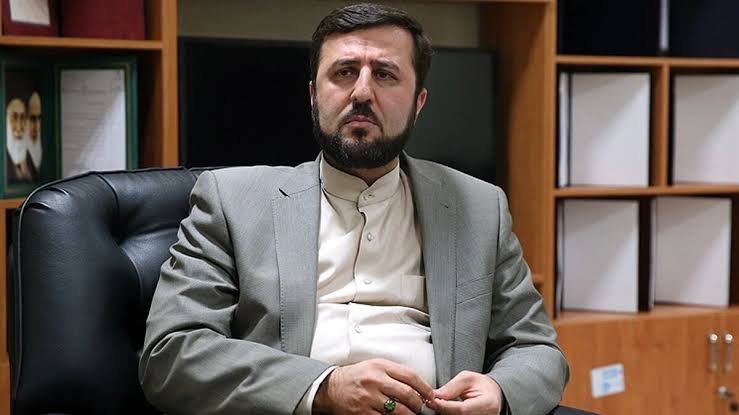
Tehran, Iran – In a remarkable development surrounding the paths of calm in the Gulf region, Iranian Deputy Foreign Minister, Kazem Gharibabadi, denied reports about reaching an agreement to hold direct technical meetings with the American side during this week. This comes within the working groups of the memorandum of understanding. Gharibabadi confirmed, in statements reported by the Iranian Tasnim Agency, today, Monday, that consultations are continuing exclusively with the Qatari side. He also stressed that these communications come within the framework of following up on the implementation of the obligations of the counterparty.
This Iranian denial comes at a time of conflicting international reports regarding the future of the agreement reached on June 17. Reuters quoted a source familiar with the matter as saying that Iranian and American technical teams would meet in Doha within days. The source confirmed that communication channels had been activated by mediators to de-escalate tensions and contain any incidents that might derail the peace process.
Meanwhile, a US official stated on Sunday that Washington and Tehran had agreed to halt the latest round of hostilities in the Gulf region. He indicated that there was a move toward resuming talks regarding the dispute over the Strait of Hormuz. The official explained that the two sides had temporarily agreed to cease retaliatory strikes and allow freedom of navigation for ships. This came in implementation of the 14-point memorandum of understanding. The Axios website also noted that technical talks were scheduled to resume on Tuesday in Qatar.
These tensions come in the wake of days of intense military escalation, with both sides accusing each other of violating the temporary ceasefire. This escalation followed an Iranian strike on a cargo ship in the Strait of Hormuz last Thursday. In response, early Sunday, Iran launched missiles and drones targeting US military sites in Kuwait and Bahrain. This followed strongly worded warnings from President Donald Trump, who threatened to “eliminate the Iranian leadership” if the temporary agreement to end the war continued to be violated. These developments on the ground and in the political arena put the future of the agreement at risk. The international community is watching closely to see how well mediators can maintain the truce and prevent the region from sliding back into open conflict.