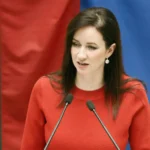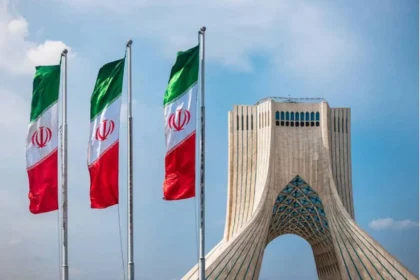
Tehran, Iran – All eyes in Tehran are on the Islamic Consultative Assembly (Parliament) this coming Sunday. A number of MPs have announced their intention to stage an open-ended sit-in in front of the parliament building to protest the continued closure of the main hall for over 100 days. This move by Iranian parliamentarians, announced by MP Kamran Ghazanfari via the “X” platform, reflects growing anger within parliamentary circles due to the paralysis of the assembly’s legislative and oversight roles.
“The Council’s siege” and sharp criticism
Pressure is mounting from the “Stability Front” (Paydarich) faction within parliament. Deputies such as Hamid Rasaei and Hossein Samsami have criticized what they call the “siege of the parliament.” They asserted that closing the plenary hall has paralyzed essential constitutional mechanisms, such as questioning ministers or issuing official statements on national issues. Rasaei, in particular, questioned who has the authority to shut down parliament and silence the voices of the people’s representatives on crucial matters. These matters include recent diplomatic negotiations and memoranda of understanding, and he believes the closure aims to “silence the voices of parliamentarians.”
Conversely, political observers, such as the hardline activist Mohammad Mohajeri, believe that this pressure from extremists in parliament is driven by factional calculations. Mohajeri told the newspaper Arman-e Melli that this group seeks to exploit the parliamentary platform for its own interests. He added that their actions aim to obstruct the current political paths being pursued by Mohammad Bagher Ghalibaf.
Leaked recordings of Mojtaba Khamenei spark controversy
This tension coincided with a major media crisis following statements made by MP Mahmoud Nabavian, a member of the National Security Committee, on a television program, where he claimed that Mojtaba Khamenei had laid out a list of 11 conditions for negotiations. These conditions included financial compensation from the United States, a guarantee of the right to enrich uranium, and sovereignty over the Strait of Hormuz.
These statements provoked an immediate and strong official response. The program was suspended entirely, and the Iranian Broadcasting Corporation announced the dismissal of the director general of the news network in question. Nabavian was also threatened with legal action for “revealing highly sensitive secrets.”