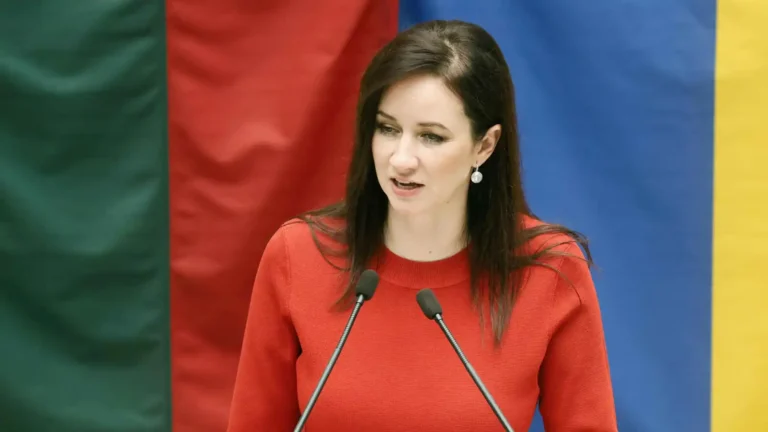
Vilnius, Lithuania – Lithuania witnessed a significant political development on Tuesday with the resignation of Prime Minister Inga Rogeninen, who stepped down under increasing pressure from her colleagues within the Social Democratic Party. Her resignation came less than a year after she assumed the premiership, following a partial collapse of the ruling coalition. This collapse places the country at a new political crossroads and highlights the decline of the stability that has characterized Lithuania’s political landscape in recent years.
Sinkevicius paves the way for the formation of a new government.
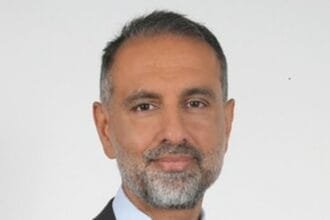
Bloomberg News reported that this decision paves the way for a complete change in the government leadership, with 42-year-old Mindaujas Sienkevičius, the mayor of Jónava, expected to assume the position. Sienkevičius officially announced his candidacy for prime minister last week, relying on his success in forming a new three-way coalition with the Farmers and Greens Union and the For Lithuania party. This coalition secured 75 seats in the 141-seat parliament, giving it the necessary majority to form a government.
The country’s traditions of political stability are declining
This departure signals unprecedented turmoil in Lithuanian politics, as the appointment of a new prime minister will represent a rapid change in government leadership. This shift marks a sharp departure from the tradition of stability the country has enjoyed since 2008, when previous prime ministers completed their full terms without interruption.
A word of farewell and the challenges of the next stage
In her farewell address during the final meeting of her cabinet, Roginin appeared affected by the events, stating: “It is a difficult day… We have made many difficult decisions during this period,” referring to the enormous challenges her government has faced in recent months.
Lithuanian political circles are awaiting the next constitutional steps to complete the transfer of power, amid questions about the new coalition government’s ability to restore political balance and address pressing economic and social issues in the current climate of uncertainty. This resignation underscores the radical reshaping of political alliances in Lithuania, presenting significant challenges for the incoming leadership in managing the country’s affairs.