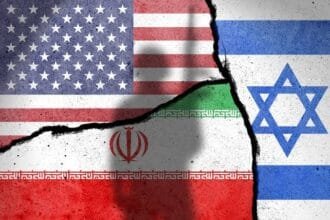
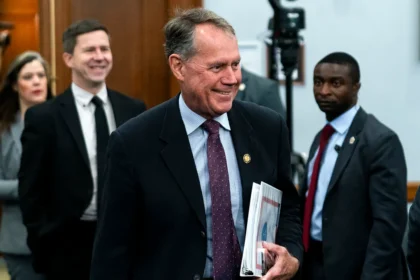
Bürgenstock, Switzerland – In a flurry of diplomatic activity, a new round of direct talks between the United States and Iran, mediated by Qatar and Pakistan, began Sunday in Switzerland. The aim is to reach a “comprehensive and lasting agreement” covering the points outlined in the memorandum of understanding between the two sides. The Qatari Foreign Ministry confirmed the start of these meetings, expressing its hope that these efforts will lead to a lasting settlement that ends the current tensions.
In Tehran, Iranian Foreign Ministry spokesman Esmail Baghaei explained that Sunday’s agenda included intensive bilateral meetings with the Qatari and Pakistani mediators in the morning. These meetings were followed by quadrilateral meetings in the afternoon, bringing together the Iranian and American delegations with the mediators present.
The Lebanese issue tops the agenda.
The conflict in Lebanon is at the forefront of today’s talks, with Baqai emphasizing that negotiations to reach a final agreement hinge on five specific points, foremost among them a ceasefire on all fronts.
Baqai criticized what he described as the United States’ “inability or unwillingness” to compel the “Zionist entity” to adhere to the ceasefire. He explained that the ongoing violations of the truce agreements in Lebanon constitute the biggest obstacle to moving forward with the memorandum’s provisions.
On the sidelines of the summit, Iranian Foreign Minister Abbas Araqchi met with his Swiss counterpart. Meanwhile, Switzerland witnessed the arrival of several prominent figures. The Iranian delegation was led by Mohammad Bagher Ghalibaf, accompanied by Araqchi, while the US delegation was headed by Vice President-elect J.D. Vance. Pakistani Prime Minister Shehbaz Sharif also arrived, accompanied by Army Chief of Staff Asim Munir, underscoring Islamabad’s pivotal role in the mediation efforts.
Hormuz Strait controversy
Meanwhile, security tensions overshadowed the talks after Iran’s Khatam al-Anbiya Central Command announced on Saturday its intention to close the Strait of Hormuz in response to continued Israeli attacks in Lebanon and what it described as America’s “failure to fulfill its commitments.” However, the US Central Command (CENTCOM) quickly refuted these claims. In a statement issued Sunday morning, it affirmed that the Strait of Hormuz remains open to international shipping. It also denied any disruption to the safe passage of vessels through this vital waterway.
These talks come amid international hopes that Qatari and Pakistani mediation will succeed in preventing the region from sliding into a full-blown military escalation. Success on the Lebanese issue is considered key to implementing the remaining provisions of the agreed-upon memorandum, which international powers are counting on to restore stability to the Middle East.