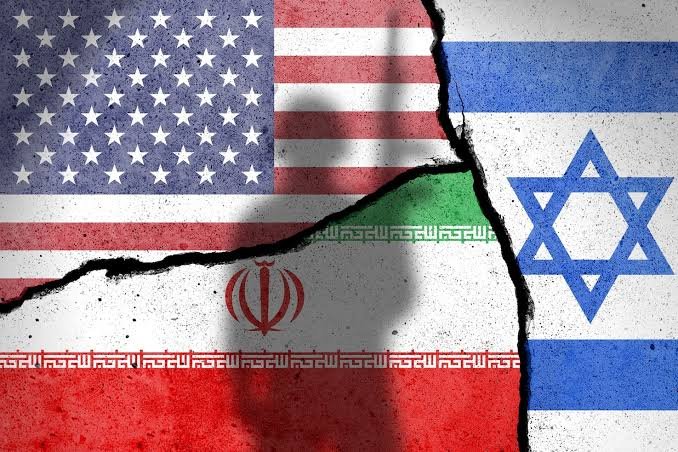
Tel Aviv – Israeli military leadership has informed the commander of U.S. Central Command (CENTCOM) of Tel Aviv’s insistence on retaining the right to direct military intervention inside Iran. Consequently, this development highlights the ongoing strategic alignment and high-level military communication between Israel and the United States, driven by persistent concerns over Tehran’s potential pursuit of military-grade nuclear capabilities or advanced ballistic missile technologies.
Furthermore, reports indicate that Israeli security assessments view Iran’s nuclear and missile advancements as non-negotiable red lines essential to regional deterrence. As a result, Tel Aviv maintains independent operational readiness to counter any direct threats to its national security, even as Washington continues diplomatic and policy efforts to manage regional tensions and prevent wider escalation.
Escalation Management and Risks of Renewed Conflict
On the other hand, this communication forms part of routine and intensive security coordination between the Israel Defense Forces and CENTCOM, aimed at evaluating regional threat matrices and intelligence sharing. Specifically, U.S. strategy focuses on containing military friction and keeping diplomatic channels viable while reinforcing regional defense architectures.
Additionally, Israel’s reaffirmed stance raises concerns among regional and international observers regarding the risk of renewed armed confrontation should intelligence reports signal Iranian breakthroughs in restricted domains. Consequently, Tel Aviv’s explicit reservation of military action serves as a key variable influencing the stability of future security arrangements in the Middle East.
Finally, Israel’s insistence on its right to unilateral military action underscores the fragile security environment and complex strategic dynamics involving Washington and Tehran. Ultimately, intelligence evaluations regarding Iran’s nuclear and missile progress will remain decisive in determining whether regional dynamics lean toward de-escalation or renewed military conflict.