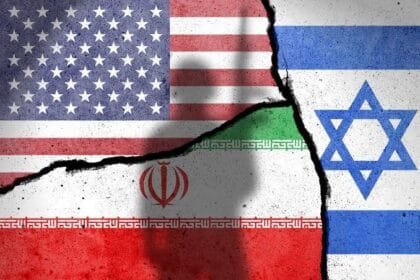
Washington, United States – U.S. President Donald Trump told Axios that the American naval blockade on Iranian ports has severely worsened the country’s economic crisis. Consequently, these statements underscore Washington’s strategy of prioritizing financial pressure and maritime isolation. This approach is preferred over expanded military operations to extract geopolitical concessions.
Furthermore, Trump noted that Iran is in “very bad shape” financially, crippled by soaring inflation and dwindling state resources. As a result, the U.S. administration is taking a low-key approach described as “semi-negotiating.” Officials are closely watching the cumulative impacts of trade restrictions and naval containment on Tehran’s stability.
Easing Military Tensions and Diplomatic Prospects
On the other hand, Trump signaled a reduced emphasis on immediate military strikes, asserting that the conflict “will work out, like a chess game”. Specifically, the administration points to stabilizing global energy prices as a key factor. This move minimizes economic spillovers for American consumers while sustaining maximum pressure on Iran.
Additionally, while Washington maintains its maritime embargo, diplomatic channels remain open to negotiate shipping security and broader regional issues. Consequently, combining economic sanctions with strategic blockade mechanisms remains central to the administration’s long-term containment posture.
Finally, President Trump’s remarks reflect a calculated pivot toward economic attrition in managing the confrontation with Iran. Ultimately, the effectiveness of financial isolation and global energy market trends will determine the trajectory of future negotiations.