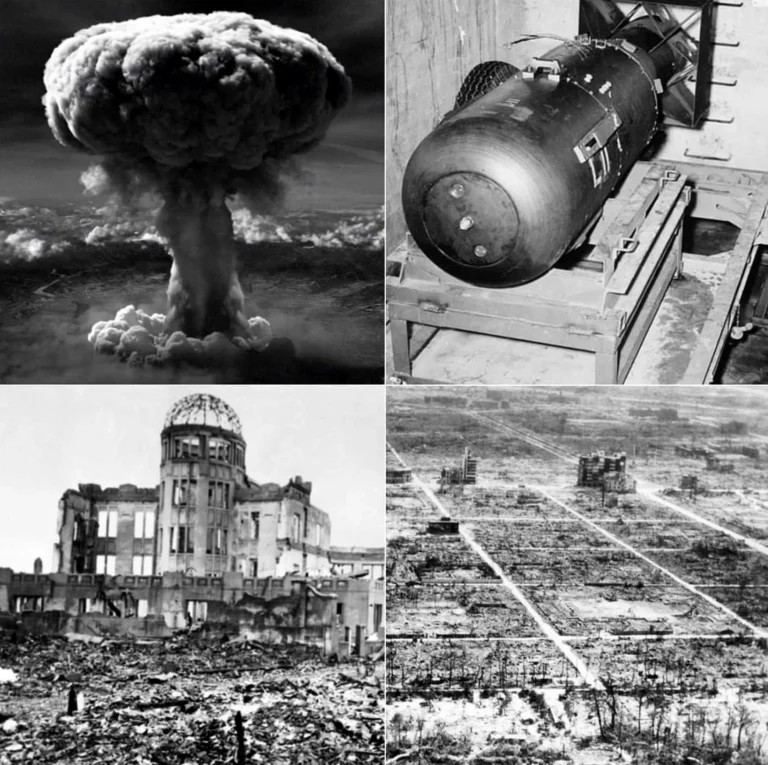
Nagasaki, Japan – On August 9, 1945, the Japanese city of Nagasaki witnessed one of the most tragic moments in the history of warfare.
The United States dropped an atomic bomb, nicknamed “Fat Man,” on the city.
This attack resulted in tens of thousands of casualties and left devastating effects that lasted for years.
The bomb was dropped from a U.S. B-29 bomber, nicknamed “Bucks Carr,” and detonated over Nagasaki at 11:02 a.m. local time.
The resulting explosion released immense energy, creating blast waves, heat, and radiation that devastated large areas of the city.
40,000 people died in Nagasaki
The bomb was based on plutonium and an internal explosion design, and was different in design from the “Little Boy” bomb that the United States had dropped on Hiroshima three days earlier.
The intense heat and explosion waves caused the collapse of buildings and the outbreak of widespread fires.
On the other hand, the survivors were exposed to severe injuries, burns,
and radiation poisoning, and long-term health effects later appeared among a large number of survivors.
It is estimated that about 40,000 people died in Nagasaki on the day of the bombing.
The number of casualties subsequently increased over the following months due to injuries and illnesses related to radiation exposure.
Nuclear weapons are the most dangerous tools of military power
The bombing of Nagasaki occurred in the final days of World War II, just three days after Hiroshima was destroyed by the first atomic bomb used in the war.
On August 15, 1945, Japan announced its acceptance of the terms of surrender, ending World War II in the Pacific.
As a result, the world entered a new era characterized by the emergence of nuclear weapons as one of the most dangerous instruments of military power.
More than 80 years later, Nagasaki and Hiroshima remain global symbols of the devastation that nuclear weapons can cause.
International calls continue to prevent their proliferation and to avoid a recurrence of the catastrophe that changed the course of human history.