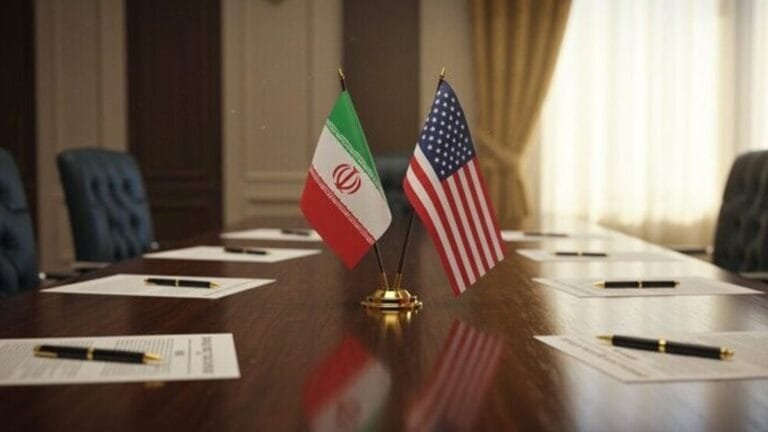
Washington, United States – In an in-depth analysis of the features of the initial agreement between Washington and Tehran, the Wall Street Journal described this development as potentially representing the largest diplomatic breakthrough during the last four months of the conflict. However, she warned at the same time that the survival of this agreement depends on complex “geopolitical variables.”
According to Damian Paletta, the newspaper’s Washington bureau chief, President Donald Trump’s announcement of this agreement coinciding with his eightieth birthday is viewed in political circles as an “exceptional birthday gift.” This agreement may also end months of economic crisis and military tensions.
The three tests for the sustainability of the agreement
Wall Street Journal observers believe that the transformation of this “preliminary agreement” into a sustainable reality depends on three key factors:
- The Strait of Hormuz: The First Field Test
The newspaper considers the reopening of the Strait of Hormuz the most significant indicator of the parties’ seriousness. After the Iranian government imposed strict restrictions on the strategic waterway in recent months, Trump pledged to reopen it immediately upon the official signing on Friday.
If the movement of oil tankers and commercial vessels resumes smoothly, it could lead to a positive shock for the global economy and energy markets. However, the report warned that the “time gap” between the announcement and the signing could be fraught with unforeseen surprises. Lifting the Naval Blockade
The second factor is the fate of the naval blockade imposed by the White House on Iranian ports and ships with the aim of crippling Tehran’s economy. Under the understandings, this blockade will be lifted in parallel with the reopening of the strait.
The newspaper believes that this step will alleviate economic pressure, thus strengthening Tehran’s incentive to continue on the diplomatic path. Nevertheless, Tehran is promoting this agreement domestically as a “victory without concessions.” Israel: The Most Dangerous Variable
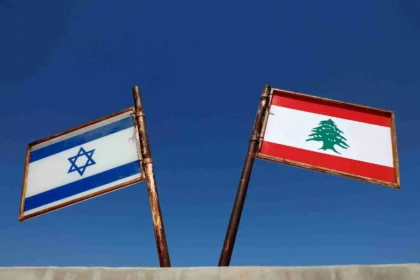
The newspaper described Israel as the “most threatening factor” to the agreement. Israeli attacks in Lebanon and the deployment of Iranian-backed forces have been major obstacles to any progress.
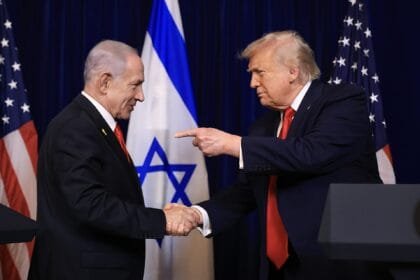
The newspaper notes that Trump, who previously downplayed Tehran’s concerns about these attacks, has in recent weeks expressed growing frustration with the continuation of Israeli military operations and the Netanyahu government’s refusal to de-escalate. With the attacks continuing into Sunday morning, analysts are questioning whether Israel will exercise restraint to allow these diplomatic efforts to succeed.
A cautious atmosphere amid outstanding questions
Despite a sense of calm and reduced tensions in Washington and Tehran—a stark contrast to previous attempts at de-escalation—the picture remains unclear.
The Wall Street Journal asserts that key questions remain unanswered: Will Tehran maintain control over its allied groups in the region? And will Israel grant the United States and Iran the necessary time to solidify their positions within this agreement?
The newspaper concludes that the agreement, despite its strategic importance, remains “fragile.” The ultimate fate of this crisis will not be determined solely in the negotiating rooms. Rather, it will depend directly on how regional powers manage the “changing factors” that could return matters to square one at any moment.
The coming days and weeks will be the true test of whether this “breakthrough” marks the beginning of a new era of regional security, or whether it will prove to be merely a temporary truce in a long-standing conflict.