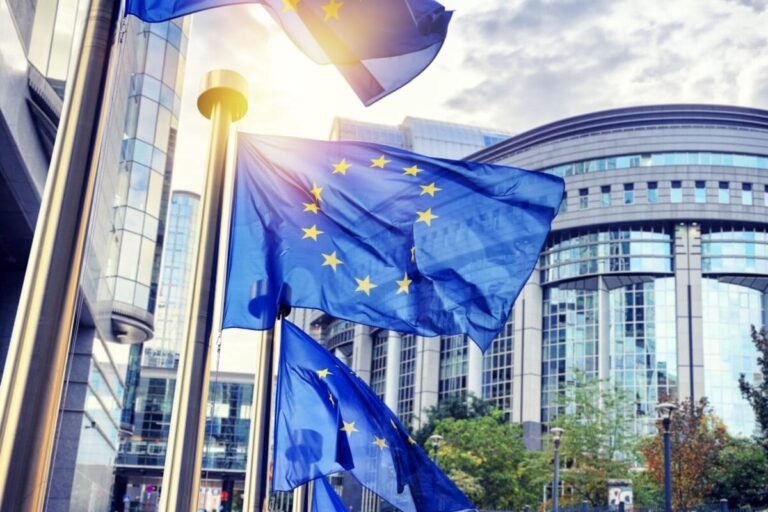
Brussels, Belgium – European Union member states begin the first round of formal accession negotiations for Ukraine and Moldova on Monday, a historic step described by both countries as “crucial” for securing their European path and definitively distancing themselves from Russian influence, according to Politico.
Reforms in light of the challenges
European Commission President Ursula von der Leyen confirmed via her X platform that this first round will focus on discussing “the fundamental principles of the Union, from the rule of law to strengthening democratic institutions.” Von der Leyen added that this event represents “a recognition of the determination, courage, and hard work shown by member states in driving reforms forward, even in the face of formidable challenges. Furthermore, it is a clear indication that the EU’s offer of peace, stability, and opportunity is unparalleled.”
A shift in the political landscape that lifts the “veto”
This positive development came after EU ambassadors voted to approve the start of negotiations, following a significant political shift in Hungary. Under its new Prime Minister, Péter Magyar, Budapest abandoned its long-standing opposition to Ukraine’s application. Hungary had been staunchly opposed to Kyiv’s accession under former Prime Minister Viktor Orbán. However, the new leadership, which took office last month, showed openness and lifted its veto after productive meetings between experts from both countries to address the issue of Hungarian minority rights in Ukraine.
Security motives and international pressures
Ukraine, which is waging a defensive war against the Russian invasion, and Moldova, which faces constant military threats from Moscow and the challenge of the breakaway region of Transnistria occupied by Russian forces, view this move as a geopolitical lifeline. Ukrainian President Volodymyr Zelensky welcomed the move, saying, “Ukraine is doing what is necessary, and it is important that the European Union fulfills its promises.”
These negotiations are of great urgency to Kyiv, and Zelensky has made them a strategic priority to protect his country from any future Russian intervention, especially given the renewed pressure from US President Donald Trump to negotiate an end to the war. This comes at a time when the Kremlin is constantly warning against its neighbors deepening their ties with the West. In Moldova, the negotiations represent strong support for the pro-Western president, Maia Sandu, whose country has faced blatant Russian interference in its recent elections.