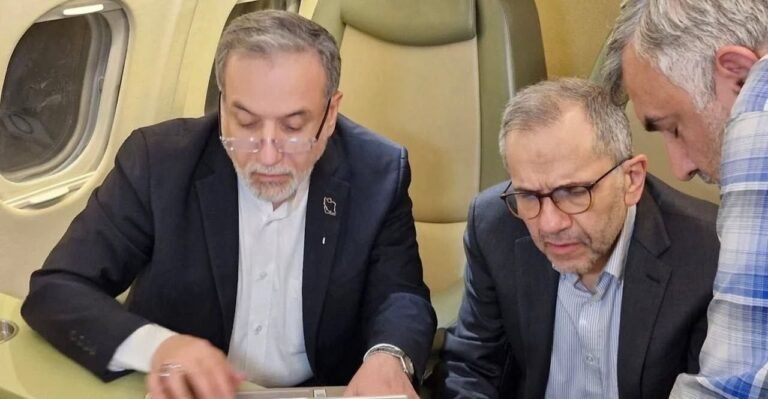
Tehran, Iran – A source close to the Iranian negotiating team stated that the draft text of the potential memorandum of understanding between Tehran and Washington aimed at ending the war is still under careful study and discussion. It is also undergoing a comprehensive review by decision-makers in Tehran. The source confirmed that no official or final response has been sent to the American side to date.
The source, speaking exclusively to the Iranian news agency Mehr about the latest diplomatic developments, explained that the United States’ historical record of “non-compliance” is a primary motivation. Furthermore, there is a deep-seated “historical pessimism” within the Iranian leadership regarding American policies and commitments. Consequently, these two factors have compelled Tehran to rigorously examine the details of the proposed terms and to exercise extreme caution before taking any further steps.
Iranian conditions for reaping tangible benefits
The Iranian official emphasized, based on his country’s past experiences and bitter agreements with international powers, that Iran is striving diligently and resolutely to achieve “real and tangible gains” on the ground from any potential political or security agreement. However, it refuses to accept verbal promises or vague pronouncements that do not guarantee its interests.
He added, explaining the nature of the negotiations taking place behind the scenes and the gap between the two sides: “America is living in a state of constant anxiety and fear about the continuation of the war and its field and economic consequences, while we in Tehran are worried and reserved about the nature of the agreement itself and its future guarantees. This is because Washington has already spent a lot of resources and huge sums of money on this regional war, but it has not succeeded in achieving its strategic goals.”
Executive measures and the crisis of confidence
The source close to the negotiating delegation concluded his remarks by reminding everyone that Iran has faced, in previous and well-known historical instances, blatant breaches and disavowals by the other party of its written promises and commitments.
Based on these facts, the source emphasized that the solid foundation and primary basis upon which Tehran will consider and approve any future agreement will be closely linked to the extent to which Iran can “reverse” its commitments should the other party fail to do so. Furthermore, there is an imperative need for concrete executive measures and procedures to ensure the unequivocal implementation of the terms. This is essential to safeguard Iranian national security and prevent a recurrence of broken promises.