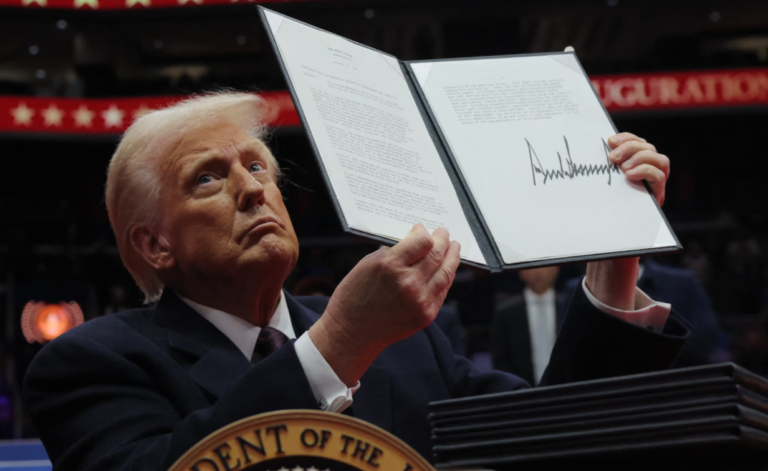
Washington, DC – President Donald Trump’s recent medical examination at Walter Reed National Military Medical Center on May 26, 2026, sparked a heated debate about the balance between the public’s right to know about their president’s health and the issue of medical privacy for a public figure, all within a politically charged atmosphere.
Medical report details
Late Friday night, the White House released a detailed three-page medical report following the president’s visit to the military medical center.
The report, signed by White House physician Sean Barbabella, concluded that President Trump, who is approaching 80, is in “excellent health.” It also stated that he is “fully fit” to perform his constitutional duties.
According to the results, the tests—involving 22 specialists—showed robust heart, lung, and nervous system function. The report also indicated that AI-assisted cardiac scans estimated his cardiac age to be “about 14 years younger than his chronological age.”
However, the medical team recommended weight loss, as he weighed 108 kilograms (approximately 6 kilograms more than at the April 2025 scan). They also recommended increased physical activity and low-dose aspirin as a preventative measure.
Medical and political questions
Despite the report’s comprehensiveness, it did not put an end to speculation. Medical experts expressed surprise at the repeated cardiac CT scans, questioning the underlying reasons.
Some specialists, such as Dr. Bob Wachter of the University of California, pointed out that undergoing such a frequent medical examination (the third scan in 13 months) is “unusual.” They stated that this is unusual for someone without chronic conditions requiring ongoing monitoring.
On the political front, observers accused the White House of delaying the release of the results for three days, which fueled an atmosphere of conspiracy theories and suspicion. For his part, President Trump defended the results on TruthSocial, describing them as “excellent” and asserting that he had passed the cognitive tests with flying colors. These statements were an attempt to dispel concerns about his mental and physical fitness.
The right to know and moral responsibility
This incident reopens the debate surrounding “presidential transparency.” While US presidents are not legally obligated to release their medical records, political custom has made it a moral obligation to voters.
While Trump previously mocked his rivals’ health records, he now finds himself under intense media and medical scrutiny. Therefore, upcoming health reports have become a continuous test of the administration’s credibility on an issue of global interest that extends far beyond US borders.