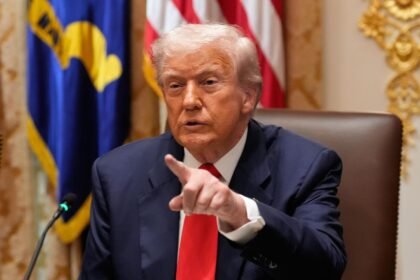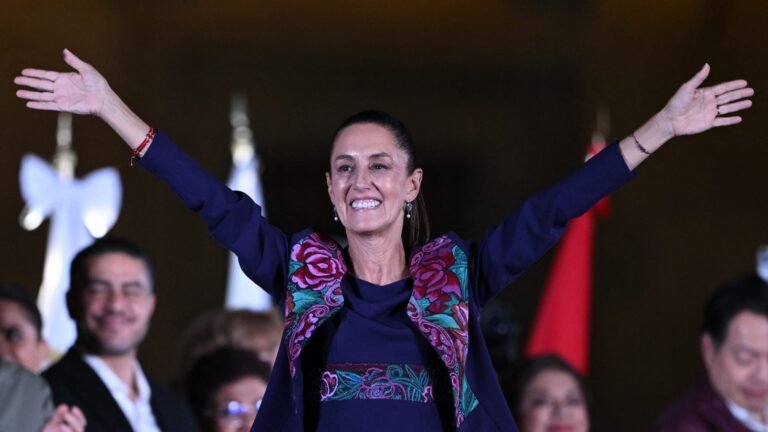
Mexico City, Mexico – Mexican President Claudia Sheinbaum escalated her rhetoric against the United States, accusing it of direct interference in her country’s internal affairs. Sheinbaum’s remarks came during a rally of her supporters in Mexico City, marking the second anniversary of her presidential election victory. She also asserted that Mexico is a “free, independent, and sovereign nation” and will not accept any external dictates.
US demands arrest of Mexican officials
The Mexican president explained that an agency of the U.S. Department of Justice had requested the arrest of ten Mexican citizens for extradition to the United States. She indicated that the list included high-ranking figures, among them a state governor, a mayor, and a current member of the Mexican Senate. While she declined to reveal names or further details at this time, her remarks reflect growing tension in bilateral relations.
“No to interference… Yes to sovereignty”
In a firm response, Sheinbaum emphasized that the course of action taken by the US authorities does not fall under the category of “cooperation.” Rather, it is “unacceptable interference.” She stated, “If foreign countries determine who is guilty and who is innocent, or exert pressure on Mexican institutions, that constitutes blatant interference.” She added forcefully, “Mexico is not anyone’s puppet.”
These statements come at a time of heated debate in Mexican politics regarding foreign influence and increasing US pressure related to drug trafficking. The US judiciary had previously indicted several Mexican officials. This was met with official Mexican responses demanding conclusive evidence rather than mere accusations, which Mexico City describes as politically motivated.
This crisis reflects an ongoing challenge for the Sheinbaum administration in balancing the maintenance of strong economic and strategic ties with Washington. It also requires protecting national sovereignty and countering what it perceives as attempts to undermine Mexico’s independent national decision-making. This issue is at the forefront of the country’s political landscape, with escalating diplomatic tensions surrounding judicial and security cooperation mechanisms between the two neighbors.