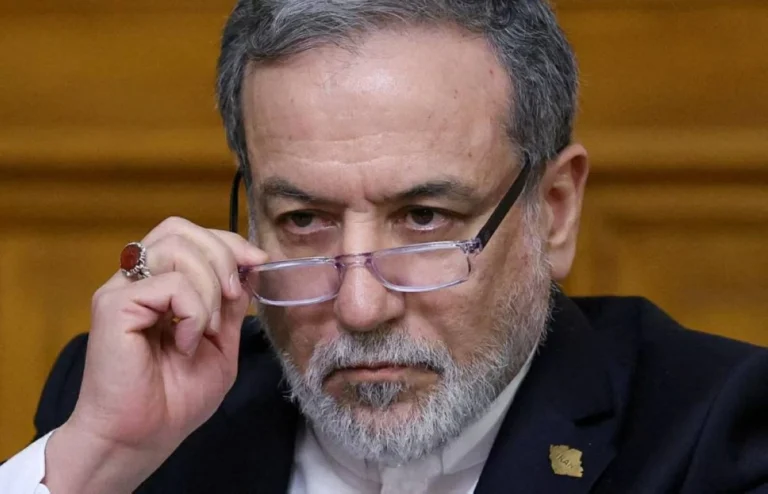
Tehran, Iran – In a surprising development that could cast a shadow over the rapidly evolving diplomatic process, Iranian Foreign Ministry spokesman Esmail Baghaei announced on Monday the cancellation of Foreign Minister Abbas Araqchi’s visit to New York. He cited a “technical problem” related to visa issuance as the reason. This came just one day before the scheduled meeting of the UN Security Council.
Confusion in the diplomatic agenda
Araghchi was scheduled to participate in a special session of the UN Security Council on “International Peace and Security,” a session convened at China’s request. At his weekly press conference, Baqaei confirmed that the visit had been cancelled. However, he did not provide further details regarding the nature of the obstacles encountered in obtaining the US visa. This cancellation comes at a highly sensitive time, as political circles await any progress in the indirect dialogue between Washington and Tehran.
A gap between “mediation” and “substantive content”
Despite the failure of this visit, diplomatic channels remain active. Pakistan, with the support of regional actors, is leading mediation efforts aimed at narrowing the gaps between the two sides and reaching a framework for understanding. These efforts coincided with a visit by the Pakistani army chief, Field Marshal Asim Munir, to Tehran. This was interpreted as a military-diplomatic push to enhance the chances of success.
However, Iranian officials have been careful to “lower expectations.” Analyses indicate a widening gap between diplomatic momentum and actual political substance. Questions remain about the extent of concessions Tehran might be willing to offer in any potential memorandum of understanding. This is particularly evident on sensitive issues such as the nuclear program and missile capabilities.
This cancellation, whether technical or political, reflects the fragility of current diplomatic efforts. While Pakistani efforts to bridge the gap between the two sides continue, the most pressing question remains: Do these complications reflect a negotiating tactic, or do they indicate a continued deep political stalemate between Washington and Tehran? This comes at a pivotal moment in international negotiations.